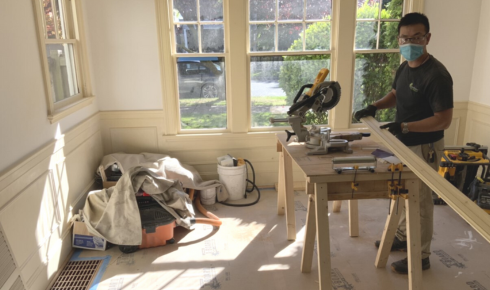
Renovations are like opening a mystery box. Until walls are opened, tiles are lifted or old fittings removed, you really don’t know what’s hiding underneath – rusted pipes, weak wiring, damp patches, uneven floors, you name it.
If every rupee is pre-assigned to visible finishes, any surprise becomes a crisis. You either go over budget, or you compromise on something important, or you end up doing cheap patchwork. None of those feel good.
Keeping even 10–15% of the total budget aside as a contingency fund gives you breathing space. When something unexpected appears, you have money that was already mentally “for this purpose.” You can fix the root problem instead of pretending it doesn’t exist.
If you’re lucky and things go smoothly, you can always use that reserve at the end for a nicer finish, an extra piece of furniture, or simply save it. But going in with zero margin almost always leads to stress.