You clean the kitchen sink, polish the bathroom faucets, and give the shower door a thorough scrubbing. Everything looks wonderful until those familiar white marks start appearing again. It’s a frustrating experience, particularly when you’ve already spent a good portion of your weekend cleaning. For households dealing with hard water, these little inconveniences can feel never-ending.
Exploring water softeners for cedar rapids & eastern iowa homes can help homeowners find practical ways to reduce excessive hardness and make everyday household maintenance more manageable.
Water softening isn’t just about keeping bathroom fixtures looking nice. It can influence laundry routines, appliance maintenance, and even how much effort goes into ordinary cleaning tasks. The key is understanding what your household genuinely needs.
What Makes Hard Water Such a Persistent Problem?
As water travels through soil and underground rock formations, it naturally absorbs minerals. Calcium and magnesium are primarily responsible for hardness, although their concentrations vary according to the water source.
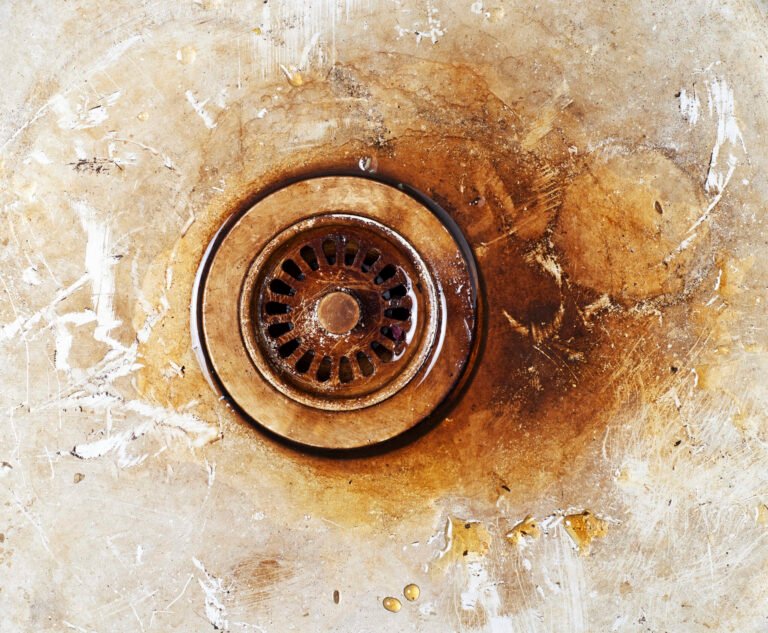
When hard water evaporates, these minerals can remain behind, leaving chalky deposits on faucets, shower doors, and countertops. Heating water can also encourage scale formation inside kettles and water heaters.
The annoying part is that cleaning products only address the deposits that have already formed. They don’t change the composition of the incoming water.
That’s why homeowners who repeatedly struggle with mineral buildup may benefit from addressing the problem at its source rather than constantly treating its symptoms.
Taking a More Practical Approach to Hard Water
There are plenty of household remedies for removing mineral deposits. Vinegar, descaling products, and specialized cleaners can all be useful, but they rarely offer a lasting answer to recurring hardness problems.
Effective hard water treatment solutions focus on reducing the dissolved minerals responsible for scale formation before water reaches connected household fixtures and appliances.
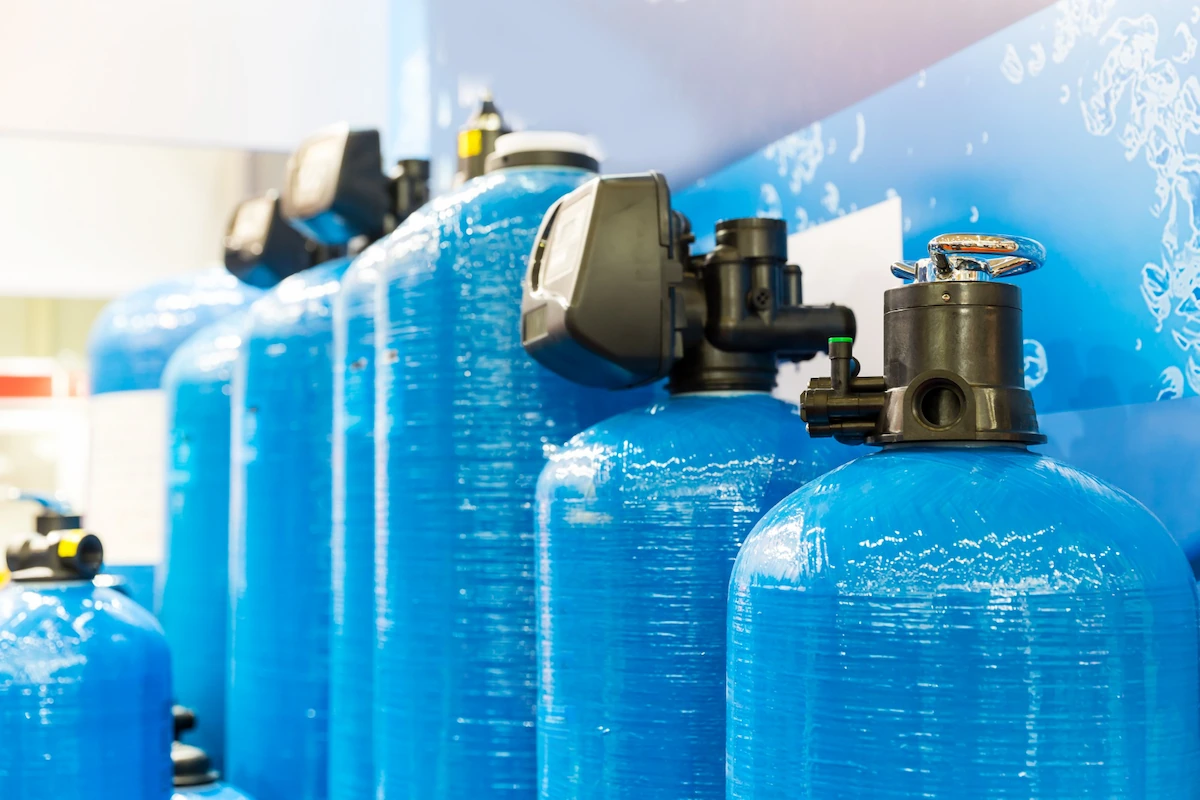
Conventional water softeners accomplish this through ion exchange. Specialized resin beads exchange calcium and magnesium ions for sodium or, in compatible systems, potassium ions.
The resin periodically regenerates to restore its softening capacity.
Once appropriately installed and configured, the equipment performs much of its work automatically. Homeowners can enjoy the practical benefits without continually adjusting their treatment settings.
Finding a Water Softener That Suits Your Household
A family of five living in a house with several bathrooms will naturally have different water requirements from a couple living in a smaller property.
When comparing home water softening systems, consider measured hardness levels, daily consumption, peak flow requirements, and ongoing operating expenses.
Demand-initiated equipment monitors water consumption and regenerates according to programmed settings and remaining treatment capacity. This can help avoid unnecessary regeneration under suitable operating conditions.
Don’t overlook installation space, either. You’ll need enough room to replenish salt and access equipment whenever servicing becomes necessary.
Buying the largest available system isn’t automatically the smartest decision. Properly sized equipment generally makes more sense than paying for capacity your household may never use.
Giving Your Water Heater and Appliances a Little Extra Protection
Replacing a major household appliance is rarely an enjoyable expense. Water heaters, dishwashers, and washing machines represent significant investments, so it’s worth considering how incoming water quality affects them.
Excessive hardness can contribute to mineral scale formation inside water-heating equipment, potentially interfering with heat transfer and increasing maintenance requirements.
Appropriate softening helps limit the formation of new scale deposits.
While it won’t magically restore an older appliance or repair existing damage, softening can complement regular maintenance and preventive care.
If you’re planning a kitchen renovation or purchasing new laundry equipment, assessing your water hardness beforehand could be a particularly worthwhile decision.
Discovering the Everyday Benefits of Softer Water
Some of the most noticeable advantages of softened water appear during surprisingly ordinary activities.
Take laundry, for instance. Hardness minerals can interfere with certain detergents, sometimes leaving fabrics feeling stiff. Softer water may improve detergent performance and make washing clothes more manageable.
Soap can lather more readily, and fewer new hardness-related deposits may accumulate around bathroom fixtures.
You might also find yourself adjusting the amount of detergent you use according to recommendations for softened water.
These changes may seem relatively minor, but their value becomes more noticeable when experienced day after day.
And who wouldn’t enjoy spending a little less time scrubbing the bathroom?
Why Water Testing Matters Before Installation
Water conditions can vary across Cedar Rapids and Eastern Iowa, particularly between properties connected to municipal supplies and those relying on private wells.
Reliable hardness testing helps determine appropriate softener capacity and regeneration settings.
When consulting a provider such as Waterhouse Water Systems, ask how testing results influence equipment recommendations. Discuss salt requirements, maintenance expenses, installation arrangements, and documented efficiency.
Remember that softening doesn’t provide comprehensive drinking water purification. Additional filtration may be appropriate if testing identifies other concerns.
Periodic hardness testing after installation can also help confirm that the equipment continues performing as intended.
Understanding your water before investing in treatment is considerably easier than correcting an unsuitable installation later.
Making Softer Water a Lasting Comfort in Your Eastern Iowa Home
Managing hard water doesn’t have to mean accepting endless cleaning responsibilities and recurring mineral deposits.
With reliable testing, thoughtfully selected equipment, and consistent maintenance, homeowners can address excessive hardness in a practical, manageable way.
The rewards often appear gradually — more pleasant laundry routines, cleaner-looking faucets, and fewer new mineral deposits inside water-using appliances.
Your home should be somewhere you enjoy spending time, not somewhere you’re constantly catching up on maintenance.
For families throughout Cedar Rapids and Eastern Iowa, investing in suitable water softening equipment can be a meaningful improvement. It quietly supports everyday comfort while giving you one less household frustration to worry about when the weekend finally arrives.