Water is such a familiar part of daily life that we rarely give it much thought until something changes. Maybe your morning coffee starts tasting different, your shower leaves your skin feeling uncomfortable, or those stubborn white deposits around the kitchen faucet keep coming back. Individually, these problems might seem minor. Together, they can make everyday living a little more frustrating than it needs to be.
For homeowners exploring Hawkins Water water treatment services, understanding the various approaches to filtration, conditioning, and drinking water treatment is a useful starting point.
Improving water quality isn’t necessarily about installing complicated equipment. More often, it’s about understanding what’s coming through your pipes and finding a sensible way to address the things that genuinely need attention.
What Does Better Water Actually Mean for Your Household?
Everyone has slightly different expectations when it comes to water. Some people want to enjoy better-tasting coffee, while others are tired of removing mineral deposits from bathroom fixtures. Families may also have concerns about particular contaminants in their drinking water.
The desire for healthier water should begin with reliable water quality information rather than appearance or taste alone.
Water can look perfectly clear while containing substances that require further investigation. Similarly, hard water may cause considerable household inconvenience without necessarily presenting a health concern.
Understanding these distinctions matters.
Appropriate testing helps identify specific treatment priorities, allowing homeowners to make informed decisions instead of relying on assumptions. The goal should be water that meets your household’s practical needs while addressing any identified safety concerns.
Finding Treatment That Matches Your Water Supply
Walk through a home improvement store, and you’ll quickly discover just how many water treatment products are available. There are filter pitchers, softeners, carbon cartridges, and sophisticated drinking water systems. Choosing between them isn’t always straightforward.
Effective water treatment solutions should reflect the characteristics of your particular water supply.
Sediment filters capture suspended particles such as sand, silt, and rust. Activated carbon can help reduce chlorine and certain substances associated with unpleasant tastes and odors.
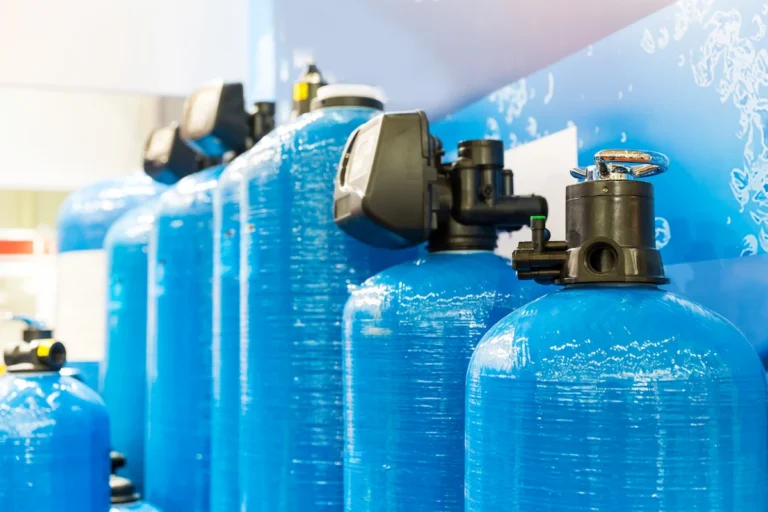
Conventional water softeners address dissolved calcium and magnesium, while reverse osmosis may reduce specific dissolved contaminants in drinking water.
Sometimes, several treatment methods need to work together. Other households might benefit from a much simpler arrangement.
There’s no particular advantage in purchasing equipment that doesn’t address an actual problem.
Taking the Frustration Out of Hard Water
Anyone who has spent a Saturday morning scrubbing chalky deposits from shower doors understands how irritating hard water can be.
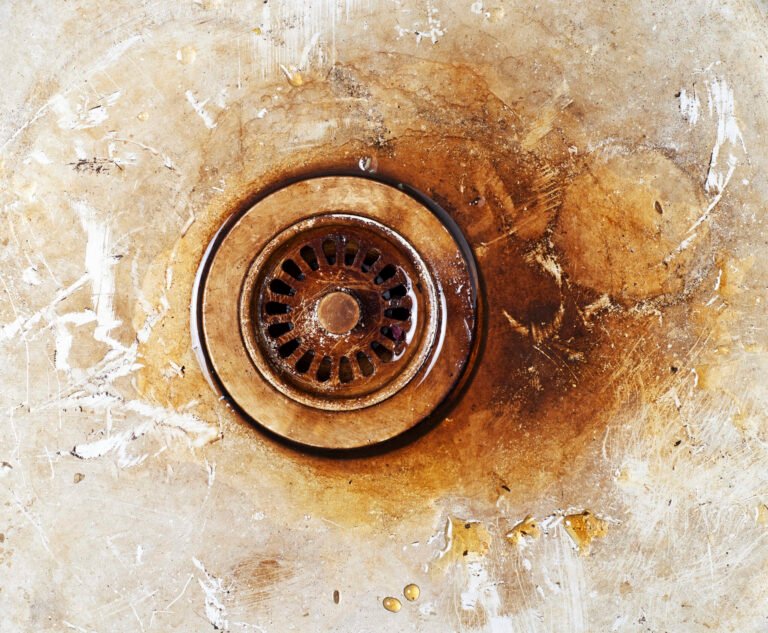
Those deposits develop largely because of dissolved calcium and magnesium. When water evaporates or is heated, these minerals can contribute to scale formation around fixtures and inside household appliances.
Appropriate water softening helps reduce hardness minerals before they travel through your plumbing.
Over time, you may notice fewer stubborn deposits, improved soap lathering, and laundry that feels less stiff.
Water softening can also help limit new scale accumulation inside water heaters and other equipment.
It’s not a miracle cure for every water problem, of course. But when hardness is the main concern, a suitable softener can make a welcome difference.
Enjoying Drinking Water Without Constantly Buying Bottles
Buying bottled water might seem convenient at first. Eventually, though, carrying heavy packages home, finding storage space, and dealing with empty containers can become rather tiresome.
A dedicated drinking water filtration system offers another possibility.
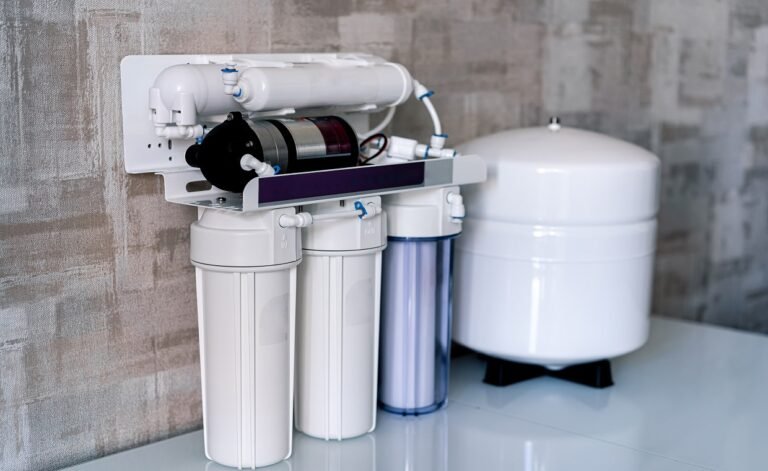
Depending on its verified treatment capabilities, reverse osmosis can help reduce many dissolved substances that ordinary sediment filters cannot capture.
Other filtration technologies may be sufficient when the primary concern involves chlorine taste or odor.
Think about how frequently your household uses drinking water throughout the day. From brewing coffee and preparing meals to filling reusable bottles, having appropriately treated water available at the kitchen sink can simplify several everyday routines.
Even small conveniences become meaningful when you experience them daily.
Why Water Testing Should Come Before Equipment Selection
Imagine purchasing an expensive filtration system only to discover that it doesn’t address the substance responsible for your water quality concerns.
It’s an avoidable mistake.
Municipal water customers can review their supplier’s water quality reports, while private well owners should arrange appropriate laboratory testing.
Testing provides useful information about hardness, minerals, and specific contaminants, depending on the assessments performed.
A professional evaluation can also help determine whether problems originate from the incoming water supply or within your property’s plumbing.
Knowing what you’re dealing with makes it easier to select appropriately sized equipment and avoid unnecessary treatment stages.
A little investigation beforehand can save considerable expense and disappointment later.
Looking After Your Investment Over Time
Water treatment equipment needs occasional attention, just like most other household systems.
Sediment cartridges accumulate particles, activated carbon eventually reaches its treatment capacity, and conventional softeners require regenerating salt.
Before purchasing equipment, ask about recommended maintenance intervals, replacement component availability, and ongoing operating expenses.
Installation space matters, too. Nobody wants to rearrange an entire utility room whenever a filter needs replacing.
Appropriate follow-up testing is especially important when treating specific contaminants.
Keeping a straightforward maintenance record can help preserve equipment performance without adding unnecessary complexity to your household responsibilities.
Making Better Water a Natural Part of Everyday Life
Improving household water quality doesn’t have to become an overwhelming project. Begin with understanding your water, choose treatment equipment thoughtfully, and maintain it consistently.
The rewards often appear in familiar moments — enjoying a better-tasting cup of coffee, spending less time scrubbing bathroom fixtures, or filling a glass without an unpleasant aftertaste.
Water is involved in practically everything that happens inside your home. Giving its quality some extra attention isn’t simply about maintaining plumbing or protecting appliances.
It’s about making everyday life more comfortable and enjoyable.
Sometimes, the most worthwhile improvements are the ones quietly working behind the scenes, making an ordinary day feel just a little better.