There’s a particular kind of frustration that comes with household plumbing problems. You step into the shower expecting warm water, only to find it has turned cold. You notice a damp patch on the floor that wasn’t there yesterday, or the kitchen sink starts draining so slowly that washing a few dishes becomes a chore. These things rarely happen at a convenient time.
The good news is that many plumbing problems can be managed more easily when you understand what causes them and recognize the warning signs early. From choosing the right water heating system to finding concealed leaks and clearing stubborn drains, a little knowledge can protect your home and save you from unnecessary repair costs.
Finding the Right Water Heater for Your Home
Hot water is one of those everyday comforts you don’t fully appreciate until it disappears. Whether you’re taking a morning shower, washing clothes, or cleaning up after dinner, a dependable water heater makes household routines much easier.
When comparing water heaters (tank & tankless), it’s worth looking beyond the initial purchase price. Traditional storage-tank heaters keep a reserve of heated water ready for use, making them a familiar choice for many households. They’re available in different capacities, and the right size depends on how many people live in the home and when they typically use hot water.
Tankless water heaters work differently. Instead of storing hot water, they heat it as it passes through the unit. This can reduce standby heat loss and save space, although the system must be properly sized to meet the household’s peak demand.
Imagine a family of five getting ready for school and work on a busy weekday morning. If several showers and appliances need hot water at once, an undersized tankless unit may struggle to supply everything at the desired temperature and flow rate. A well-sized storage tank might suit that household better, depending on its usage patterns.
Energy source matters, too. Electricity, natural gas, and other available options have different installation requirements and operating costs. Local energy prices, ventilation needs, and the condition of existing plumbing should all influence your decision.
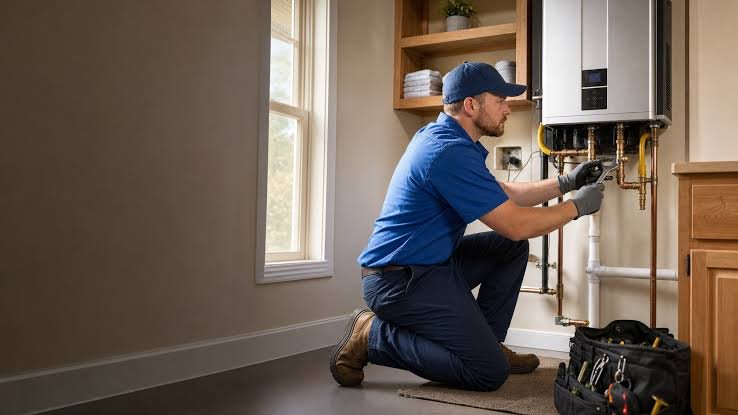
Maintenance shouldn’t be overlooked. Sediment buildup, worn heating elements, faulty thermostats, and damaged valves can affect performance. Follow the manufacturer’s recommendations and arrange professional servicing when needed. If your water suddenly becomes inconsistent or the heater begins leaking, investigate rather than assuming replacement is the only answer.
The Hidden Cost of Undetected Water Leaks
A dripping faucet is annoying, but a leak concealed behind a wall or beneath the floor can be far more troublesome. Water may spread slowly through building materials, damaging cabinets, flooring, insulation, and other parts of your home before you notice anything unusual.
Sometimes the first clue is a musty smell. In other cases, you might see paint bubbling, unexplained dampness, warped flooring, or a water bill that has climbed without a clear reason.
Professional leak & slab leak detection can help identify the source of hidden water loss. A slab leak occurs when a water pipe running beneath a concrete foundation develops a leak. Because the pipe is difficult to access, locating the problem accurately is especially important.
Depending on the plumbing system and the suspected location, professionals may use acoustic listening equipment, moisture meters, thermal imaging, or pressure testing. These methods can narrow down the affected area and help reduce unnecessary damage to walls or flooring.
There are a few checks homeowners can perform themselves. Turn off faucets and water-using appliances, then observe your water meter if your plumbing setup allows it. Continued movement may indicate a leak, although certain systems require additional investigation.
Also pay attention to warm spots on floors, unexplained water pooling, or persistent dampness near the foundation. These symptoms don’t automatically confirm a slab leak, but they deserve attention.
If you suspect a significant leak, contact a qualified plumber promptly. Shut off the water supply if necessary and safe to do so. Don’t ignore the problem simply because the water isn’t visibly flooding your home. A slow leak can cause substantial damage over time.
Why Drain Problems Keep Coming Back
Few household chores are as irritating as dealing with a stubborn drain. You clear the kitchen sink, everything seems fine for a day or two, and then the water starts collecting again. It’s tempting to keep using the same quick fix, but recurring blockages often have an underlying cause.
Kitchen drains commonly collect grease, food particles, and soap residue. Bathroom drains tend to accumulate hair, shampoo residue, and other personal care products. As this material builds up, it restricts water flow and may contribute to unpleasant odors.
For minor blockages, a plunger or suitable drain-cleaning tool may be enough. Removing visible debris from drain covers and keeping grease out of the kitchen sink can also help prevent future problems.
When ordinary methods don’t work, professional hydro jetting may be an option. This process uses specialized equipment to send high-pressure water through suitable pipes, helping remove grease, sludge, and other accumulated debris from their interior surfaces.
Unlike a simple approach that opens a narrow passage through a blockage, hydro jetting can clean a broader section of the pipe. However, it’s not suitable for every situation. Damaged, fragile, or severely deteriorated pipes may require inspection before high-pressure cleaning is considered.
A plumber may recommend a drain camera inspection when blockages keep returning. The camera can reveal potential causes such as tree roots, pipe misalignment, heavy buildup, or structural damage.
Be cautious with chemical drain cleaners, especially when the cause of the blockage is unknown. Some products can damage certain pipe materials and create dangerous reactions when mixed with other chemicals. Repeatedly treating symptoms without investigating the cause may leave you with the same problem a few weeks later.
Everyday Habits That Help Prevent Plumbing Trouble
You don’t need an elaborate maintenance routine to keep your plumbing in better condition. A few simple habits can make a meaningful difference.
Start by checking beneath kitchen and bathroom sinks every few weeks. Look for moisture around connections, corrosion on exposed pipes, or cabinet surfaces that feel damp. Fix dripping faucets and running toilets promptly, since both can waste water over time.
Pay attention to changes in water pressure. A sudden drop might be related to a supply issue, a partially closed valve, a leak, or mineral buildup. If the change affects several fixtures, professional investigation may be more useful than replacing individual faucets.
Keep drains clear of avoidable debris. Dispose of cooking grease in an appropriate container, use drain screens where hair tends to collect, and avoid flushing wipes or other unsuitable materials down the toilet.
It’s also worth learning where your main water shutoff valve is located. During a burst-pipe emergency, turning off the supply quickly can limit damage while you arrange repairs.
For older properties, periodic plumbing inspections can help identify worn components before they fail. The right schedule depends on the building’s age, pipe materials, water quality, and the history of previous problems.
Choosing a Plumber Who Looks Beyond Quick Fixes
When plumbing trouble strikes, finding someone who can respond quickly matters. But speed alone doesn’t guarantee a lasting repair.
Look for a professional with relevant experience, appropriate qualifications, and a clear approach to diagnosing problems. Ask what caused the issue, which repair options are available, and whether the proposed work includes checking for underlying damage.
For larger jobs, request a written estimate before agreeing to the work. It should explain the expected repairs, materials, and any important limitations. A dependable plumber should be willing to answer reasonable questions without pressuring you into unnecessary upgrades.
It’s also useful to keep records of previous repairs, especially for water heaters, concealed pipework, and recurring drainage issues. Those details can help a professional identify patterns and recommend practical next steps.
A Little Prevention Goes a Long Way
Plumbing systems work quietly in the background, supporting the routines that make a house feel like home. When something goes wrong, the disruption can be surprisingly large. Fortunately, many problems become easier to manage when they’re recognized early.
Choose a water heater that fits your household, take unexplained dampness seriously, and don’t ignore drains that repeatedly clog. Simple maintenance and timely professional assistance can reduce water waste, protect your property, and help avoid unnecessary expenses.
You don’t have to know how every pipe works to be a responsible homeowner. Pay attention to the small changes, ask questions when something seems wrong, and address problems before they grow. Those habits can make all the difference between a quick repair and a much bigger plumbing headache.