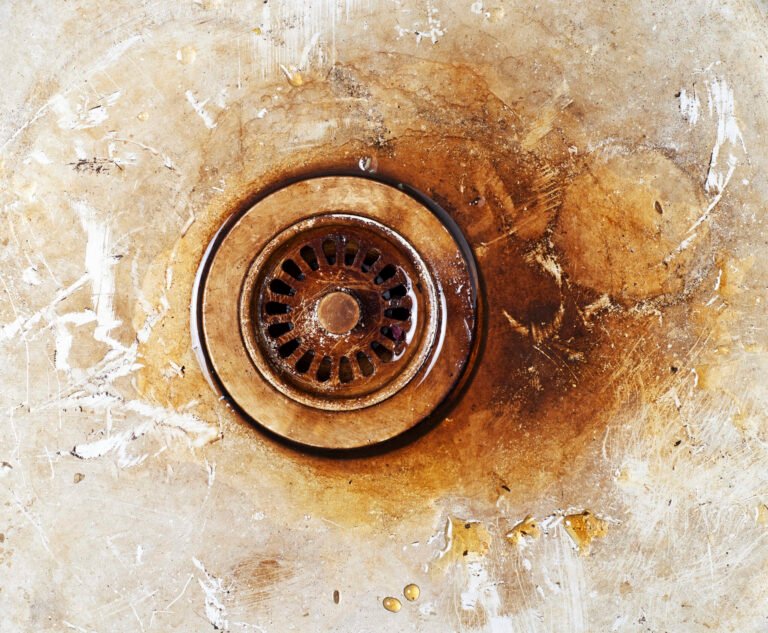
Most of us don’t give much thought to the water flowing through our homes. We turn on the tap, fill a glass, start the washing machine, or step into the shower and get on with the day. It’s only when something changes that we begin to pay attention. Maybe white marks keep appearing around the faucets, the water tastes different, or cleaning the shower seems to be a never-ending job.
These little annoyances can raise bigger questions. Is the water simply hard, or is something else going on? Would a filter help? And how do you choose a system without spending money on equipment you don’t actually need?
The answers usually begin with understanding your water, not shopping for the most expensive product on the market.
Start by Looking at What’s Coming Through Your Tap
Water can look perfectly clear and still contain dissolved minerals or other substances that affect its taste and usefulness. Its characteristics depend on where it comes from, how it is treated, and the plumbing it passes through before reaching your home.
Hard water is a common example. It contains elevated levels of calcium and magnesium, which can leave scale on showerheads, faucets, kettles, and water heaters. You may notice that soap doesn’t lather as easily or that washed glassware develops spots even when you’ve used a good detergent. These problems can be frustrating, but they don’t automatically mean the water is unsafe to drink.
Other concerns require different solutions. Sediment may cause cloudiness, iron can contribute to reddish stains, and chlorine may affect taste or odour. Certain contaminants, however, cannot be identified by sight or smell alone.
That is why a suitable water test is such a useful starting point. Rather than guessing, you can find out which characteristics need attention and select treatment based on the results. A basic hardness test won’t tell you whether water is free from bacteria, lead, or every other contaminant, so testing should match the concern being investigated.
Why Whole-Home Filtration May Be Worth Considering
When a water issue affects several rooms, treating just the kitchen tap may not address the household’s main concern. Mineral deposits might appear in multiple bathrooms, sediment may reach several fixtures, or a particular taste or odour may be noticeable throughout the property.
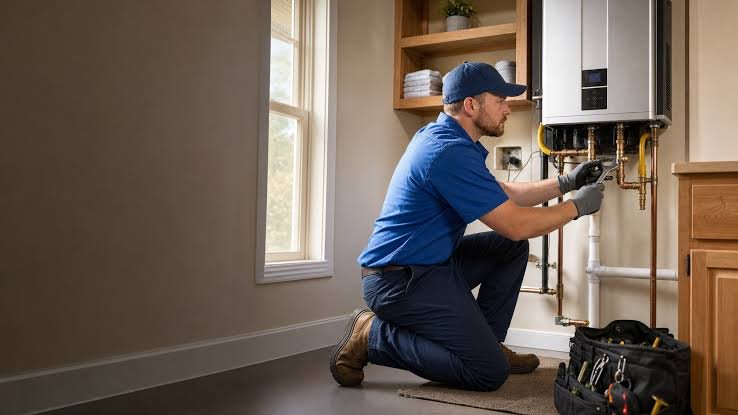
In these situations, whole-home water filtration systems may be worth exploring. These systems are typically installed where the incoming water enters the house, allowing treated water to flow to multiple taps, showers, and appliances. The specific benefits depend on the filtration technology and the substances it is designed to reduce.
For instance, a sediment filter can capture particles such as sand or rust, while certain activated carbon filters can reduce chlorine taste, odour, and selected compounds. Other concerns may call for different technologies altogether. A standard sediment cartridge won’t reliably remove dissolved contaminants, and a general-purpose carbon filter should not be assumed to provide disinfection.
The size of the system matters, too. A home with several bathrooms and frequent simultaneous water use needs equipment that can handle the required flow rate without causing a frustrating drop in pressure. Installation space, access for filter changes, drainage requirements, and ongoing maintenance should all be considered before making a decision.
A whole-home setup isn’t necessary for every property. If your only concern is the taste of drinking water, a smaller filter at the kitchen sink may be enough. The best approach is to match the equipment to the actual problem rather than treating every drop of water in the same way.
Cleaner Water Begins With Realistic Expectations
It’s tempting to assume that one device can solve every water problem. Advertisements sometimes make treatment sound that simple, but water chemistry is more complicated than that. Different technologies perform different jobs, and even products that look similar can have different capabilities.
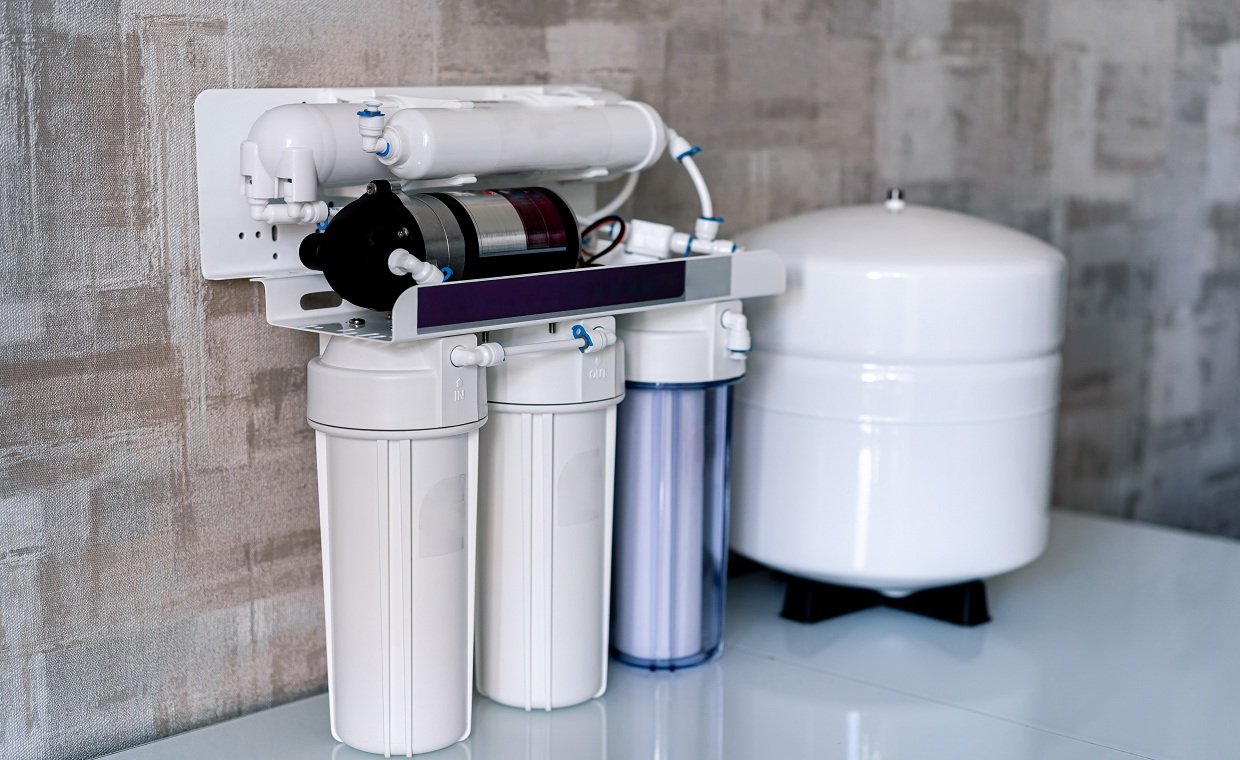
The goal of cleaner water should be based on what your household needs. If hardness is the main concern, a conventional water softener may help reduce scale by exchanging calcium and magnesium ions for sodium or potassium ions. If a particular dissolved substance has been identified, you’ll need equipment designed and tested to reduce it. Reverse osmosis, for example, can reduce many dissolved substances in drinking water, but performance depends on the specific system and contaminant.
It’s worth checking independent certifications and manufacturer performance documentation before buying. Look for evidence that the product reduces the substances you actually want to address. A long list of filtration stages or impressive-looking specifications doesn’t automatically mean a system is right for your home.
There are trade-offs as well. Some systems use replacement cartridges, while others require salt, electricity, periodic sanitation, or membrane replacement. Reverse osmosis systems can also produce wastewater during operation. Understanding these details helps you avoid unpleasant surprises after installation.
Don’t Forget the Cost of Owning the System
The initial price is only one part of a water treatment decision. Installation, replacement filters, service visits, electricity, and water use can all affect the total cost over time.
Before committing, ask for a clear estimate that explains what’s included. Does the price cover labour and fittings? Are old components removed? How frequently will filters need changing, and how much do replacement parts cost? If the system requires professional servicing, ask what that usually involves.
A cheaper unit may be perfectly suitable for a simple issue, but it can become a poor value if its cartridges are expensive or difficult to find. On the other hand, a complex system may add unnecessary cost if your water test shows that a basic treatment method would be sufficient.
Think about convenience, too. A system that is easy to access and maintain is more likely to receive the attention it needs. Nobody wants to discover that a filter is overdue for replacement only after the water begins tasting different again.
Maintenance Is Part of Water Quality
Even a well-chosen system needs routine care. Filters gradually become exhausted, membranes lose performance, and softeners may need salt or other attention. If maintenance is ignored, the equipment may stop delivering the expected results.
Keep a record of installation dates, filter changes, service visits, and test results. Follow the manufacturer’s instructions, and watch for noticeable changes in pressure, taste, odour, or staining. These signs don’t always indicate the same problem, but they can tell you when further investigation may be sensible.
Good water quality also depends on understanding the wider system. If you use a private well, follow local guidance for testing and maintaining the well itself. If your home receives municipal water, reviewing the supplier’s published water-quality report can provide useful background, although it won’t necessarily identify problems that develop within your own plumbing.
If you suspect contamination, arrange appropriate testing and follow advice from your local health department or water authority. Don’t rely on an ordinary filter to make water safe unless its performance has been verified for the specific concern.
Choose What Makes Sense for Your Household
There isn’t one perfect water treatment setup for every home. Some households need help with hard water, others want better-tasting drinking water, and some require treatment for specific substances identified through testing. The right solution depends on the evidence, household water use, budget, and willingness to maintain the equipment.
Take time to ask questions, compare documented performance, and understand both the benefits and limitations of each option. Be cautious of anyone who insists you must buy immediately or claims that a single product removes every unwanted substance.
Better water starts with informed decisions. When you understand what’s in your water and choose equipment designed for that need, treatment becomes less of a guessing game. With sensible maintenance and realistic expectations, you can make everyday water use more comfortable while protecting your investment for years to come.