Water is something most of us take for granted until it starts causing problems. Maybe white marks keep appearing on bathroom faucets, laundry comes out looking dull, or the water suddenly develops a reddish tint. Sometimes the signs are subtle, like a kettle that needs cleaning more often than it should. Other times, the problem is impossible to ignore.
These issues can have different causes, and understanding them is the first step toward finding the right solution. Mineral content, plumbing conditions, and particles entering the supply can all affect water quality. The good news is that many common problems can be identified through proper testing and managed with the right treatment approach.
Why Water Quality Problems Deserve Attention
Not every water issue means the supply is unsafe, but unusual changes shouldn’t be ignored. Water that looks clear isn’t necessarily free from contaminants, and water that has a strange color doesn’t always indicate a serious health risk. The cause matters.
For homeowners, water quality can affect everyday comfort, cleaning, plumbing, and household appliances. For businesses, it may also influence production processes, sanitation, and operating costs. A restaurant dealing with mineral buildup, for example, may need to descale equipment more frequently, while a household might notice soap behaving differently during a shower.
The best approach is to observe what’s happening, identify when the problem occurs, and arrange appropriate testing before buying treatment equipment. A solution that works well for one water supply may do very little for another.
What Causes Hard Water?
Hard water contains elevated concentrations of dissolved minerals, mainly calcium and magnesium. These minerals occur naturally as water moves through soil and rock. Their presence isn’t unusual, particularly in areas where groundwater passes through mineral-rich geological formations.
The most familiar sign is the chalky white residue left on showerheads, taps, glassware, and kitchen fixtures. Soap may also produce less lather, while shampoo can feel difficult to rinse away. Over time, mineral scale can collect inside pipes, water heaters, dishwashers, and other appliances that use heated water.
Hardness isn’t generally considered a direct health concern at the levels commonly found in drinking water, although it can be inconvenient and expensive to manage. Its effects depend on the mineral concentration, water temperature, usage patterns, and the equipment involved.
A water softener is often an effective option when hardness is the primary concern. Most conventional softeners use ion exchange to replace calcium and magnesium ions with sodium or potassium ions. This reduces scale formation, but it doesn’t make water universally pure or remove every possible contaminant.
Before installing a softener, have the water tested. You may discover that the hardness level is manageable with simple maintenance, or that a dedicated treatment system would offer worthwhile long-term benefits.
Recognizing Iron in Your Water
Iron is another common water quality concern, especially in groundwater supplies. It can enter water naturally as it moves through iron-bearing rock and soil. In some cases, plumbing components may also contribute to changes in water appearance.
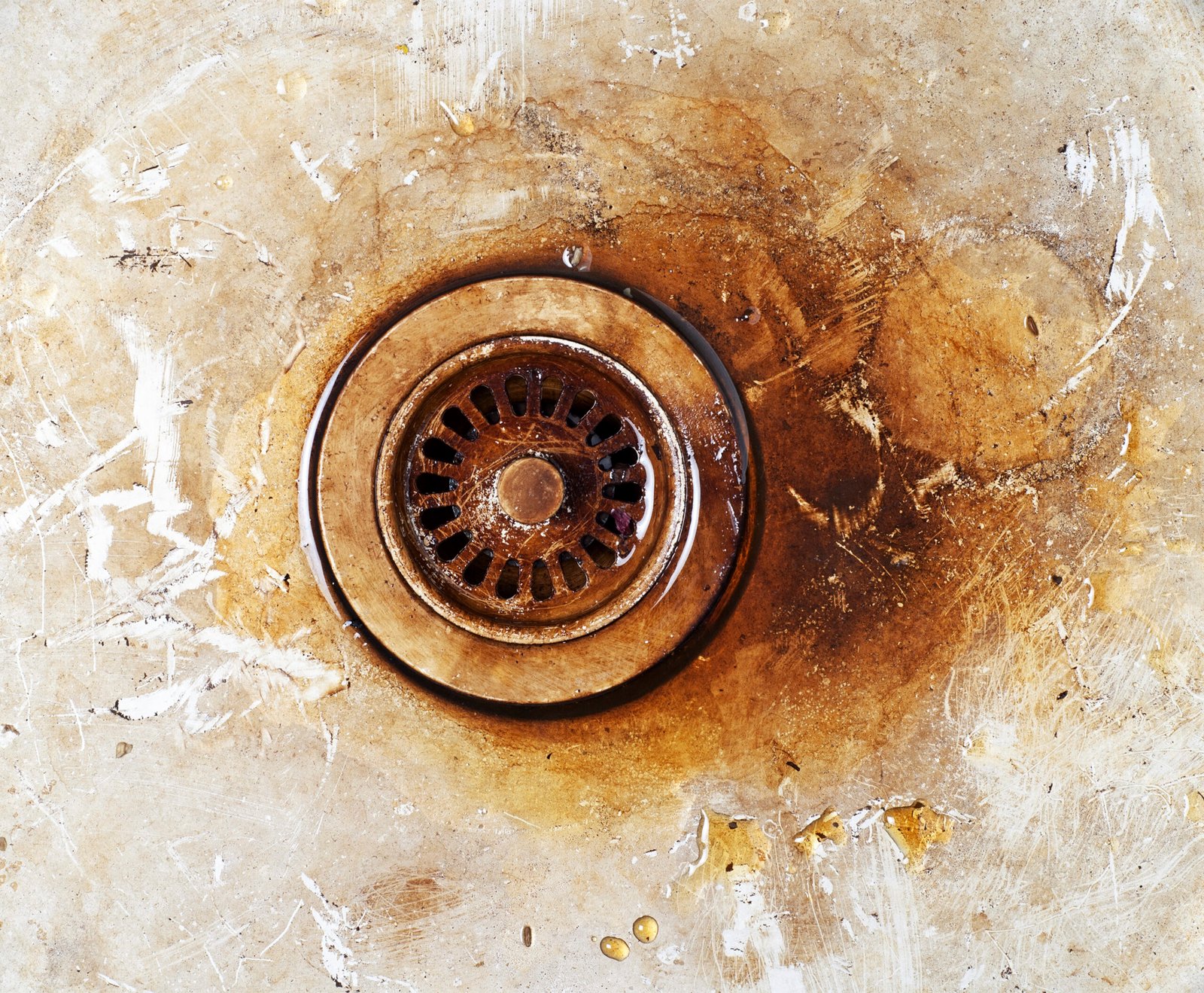
Iron-related problems often show up as orange, reddish-brown, or yellow staining on sinks, toilets, bathtubs, and laundry. Water may develop a metallic taste, and light-colored fabrics can become stained after repeated washing. Even a relatively small concentration can create noticeable housekeeping problems.
There are different forms of iron in water, and that distinction matters when selecting treatment. Dissolved ferrous iron may leave water looking clear at first, then turn it orange or brown after exposure to air. Ferric iron is already oxidized and may appear as visible particles. Some systems may also contain iron-related bacteria, which can produce slimy deposits or unusual odors and require a different assessment.
Treatment options can include oxidation and filtration, specialized iron-removal media, or other methods suited to the water’s chemistry. The right choice depends on iron concentration, pH, flow rate, and whether other contaminants are present.
Simply installing a standard sediment filter may not solve a dissolved iron problem. Testing helps determine which form is present and prevents spending money on equipment that isn’t designed for the job.
Is Rust Coming From the Water or the Pipes?
Rust forms when iron-containing materials react with oxygen and moisture. If water develops a rusty color, the cause may be naturally occurring iron, corrosion inside plumbing, or a combination of both.
Pay attention to when the discoloration appears. If rusty water comes out mainly after a tap has been unused overnight, corrosion in nearby plumbing may be worth investigating. If several taps are affected at the same time, the issue could involve a larger section of the plumbing system or the incoming supply. These clues aren’t conclusive, but they can help narrow down the possibilities.
Older metal pipes, corroded fittings, and aging water heaters can sometimes release particles into the water. Sudden discoloration may also occur after water-main repairs or changes in flow that disturb accumulated deposits.
Avoid assuming that a filter alone will fix the problem. If the source is deteriorating plumbing, the underlying component may need inspection or replacement. Where drinking water is affected, testing can help establish whether additional concerns, including metals associated with plumbing materials, need attention.
If the discoloration is sudden, persistent, or accompanied by unusual taste or odor, contact your water supplier or a qualified plumbing professional as appropriate. For private wells, consider a water quality assessment to identify the source.
What Sediment Tells You About Water Quality
Sediment refers to suspended or settled particles such as sand, silt, soil, and other small materials. These particles can enter a water supply through groundwater sources, damaged infrastructure, well systems, or disturbances in storage tanks and pipes.
You may notice sediment as cloudy water, visible specks in a glass, gritty deposits around fixtures, or material collecting at the bottom of a container. In some homes, sediment can clog faucet aerators and showerheads. It can also interfere with valves, pumps, and treatment equipment if it isn’t managed properly.
A sediment filter is designed to capture particles above a certain size. Filter ratings vary, so choosing the correct one depends on the amount and type of material present. A coarse filter may protect pumps and larger equipment, while a finer filter can remove smaller particles. However, extremely fine filtration may reduce flow or clog quickly when the water contains heavy sediment loads.
If the problem is recurring, look beyond the filter itself. A well may need inspection, a storage tank may require cleaning, or plumbing repairs may be necessary. Persistent cloudiness should be investigated rather than treated as a routine nuisance.
Choosing the Right Water Treatment Solution
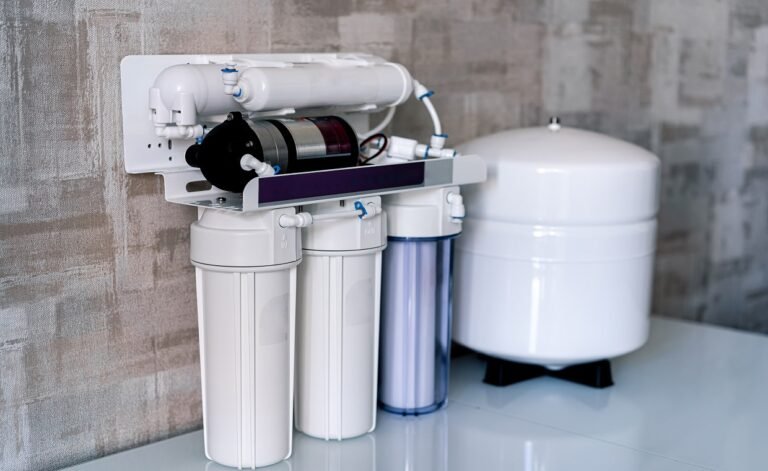
Water treatment works best when it responds to a clearly identified problem. Hardness may call for softening, dissolved iron may require oxidation and filtration, corrosion may need plumbing repairs, and sediment may be managed with appropriate particle filtration. Some supplies have several issues at once, which means a combination of treatments may be necessary.
Start with a water test suited to your source and concerns. Municipal water users can review their supplier’s water quality report and arrange additional testing when needed. Private well owners should follow recommended testing schedules and test promptly when the water changes in appearance, taste, or smell.
Ask treatment providers to explain their recommendations, expected maintenance, replacement parts, and operating costs. A reliable system should be sized for actual water demand and installed according to the manufacturer’s requirements.
Remember that no single filter removes every contaminant. If testing identifies a health-related concern, select treatment specifically certified or demonstrated to reduce that contaminant under the intended operating conditions.
A Practical Way to Protect Your Water Supply
Water problems can be frustrating, especially when they keep returning despite regular cleaning. But chalky deposits, reddish stains, and visible particles are useful clues. They point toward different possible causes, and each deserves the right kind of investigation.
Rather than guessing, begin with observation and testing. Check whether the problem affects one faucet or the whole property, note when it occurs, and seek professional advice if the cause isn’t clear. With accurate information, it’s much easier to choose an appropriate treatment system and avoid unnecessary expense.
Clean, dependable water isn’t only about appearance. It’s about protecting plumbing, helping appliances last longer, and having confidence in the water you use every day. A little investigation now can prevent a great deal of trouble later.