While primary roofing materials such as asphalt shingles, clay tiles, and metal panels receive the majority of attention during exterior construction projects, the underlying water barrier beneath them plays an equally vital role in structural preservation. Roof underlayment serves as the critical secondary line of defense against water intrusion, shielding the structural timber deck from wind-driven rain, atmospheric condensation, and ice dams. However, unlike outer cladding materials, underlayment is concealed from direct view, making its condition difficult to assess without physical intervention. Understanding the typical operational lifespan of different underlayment materials, the environmental factors that accelerate their degradation, and the visual signals of failure enables property owners to make informed choices during roof construction, maintenance, and restoration projects.
Defining the Function of Roof Underlayment
Roof underlayment is a water-resistant or waterproof barrier installed directly onto the roof deck before the primary roofing material is applied. Its primary engineering function is to trap and redirect any moisture that manages to bypass the primary roofing layer, channeling it safely into the gutter system rather than allowing it to saturate the plywood or oriented strand board (OSB) sheathing below.
In addition to secondary waterproofing, underlayment provides temporary weather protection for structural framing during the construction or reroofing phase before final cladding materials are installed. It also acts as a protective separation layer between resinous wood decking and petroleum-based shingles, preventing chemical interactions that could otherwise compromise material integrity.
The longevity of this underlying layer dictates the true waterproof lifespan of the entire roof assembly. If the underlayment disintegrates while the surface tiles or metal panels remain intact, water bypassing the primary layer will immediately rot the structural deck underneath.
| Underlayment Category | Primary Material Composition | Average Expected Lifespan | Key Performance Characteristics |
| Asphalt-Saturated Felt | Organic cellulose base impregnated with asphalt | 15 to 20 years | Traditional option, economical, vulnerable to tearing and moisture saturation |
| Non-Bituminous Synthetic | Woven polyolefin or polypropylene polymer sheets | 25 to 40 years | High tear strength, lightweight, superior UV resistance during construction |
| Polymer-Modified Bitumen | Asphalt blended with SBS or APP rubber modifiers | 30 to 50+ years | Self-adhering, self-sealing around fastener penetrations, maximum waterproof protection |
Lifespan Ratings Across Material Types
The expected lifespan of roof underlayment varies significantly depending on the chemical composition of the product, manufacturing density, and installation quality.
Asphalt-Saturated Organic Felt
Ordinarily referred to as felt paper or tar paper, asphalt-saturated felt has served as a standard roofing underlayment for over a century. Manufactured in two standard weight grades (15-pound and 30-pound), this material relies on organic cellulose fibers soaked in asphalt matrix.
Heavy 30-pound felt offers fair durability, lasting between 15 and 20 years under favorable environmental conditions. However, organic felt degrades quickly when exposed to heat and moisture. Over time, volatile oils within the asphalt evaporate, leaving the cellulose fibers dry, brittle, and prone to cracking under thermal movement.
Synthetic Polyolefin Underlayment
Synthetic underlayments represent a major technological advancement in roofing materials. Constructed from woven or spun-bonded polypropylene or polyethylene polymers, synthetics offer exceptional tear resistance, minimal water absorption, and high resistance to fungal growth.
Under normal operating conditions beneath protective roofing materials, high-grade synthetic underlayments routinely last 25 to 40 years. Their resistance to drying out and cracking makes them a durable partner for long-lasting surface materials like architectural shingles and standing seam metal roofing.
Rubberized Asphalt and Self-Adhering Membranes
Polymer-modified bitumen underlayments, often referred to as ice and water shields, represent the premium tier of moisture protection. These self-adhering membranes consist of SBS (styrene-butadiene-styrene) rubberized asphalt backed by a removable release film.
When nails or screws penetrate a rubberized membrane, the pliable asphalt compound flows around the fastener shank, creating a watertight gasket seal. Because of their chemical stability and thickness, high-density rubberized membranes can last 30 to 50 years or longer. In applications requiring extensive protection under concrete or clay tiles, choosing a high-gradetile roof roof underlayment ensures that the secondary waterproofing layer matches the naturally long service life of the heavy stone surface tiles above.
Key Factors That Accelerate Underlayment Degradation
While manufacturers provide baseline lifespan ratings, several environmental, physical, and operational variables can shorten the effective service life of any underlayment system.
- Ultraviolet Exposure During Construction: Underlayments are engineered primarily for concealed service beneath surface cladding. If left exposed to direct sunlight on a job site longer than the manufacturer specified UV limit (typically 30 to 180 days depending on material formulation), solar radiation breaks down polymer chains and asphalt binders, causing premature degradation before surface materials are even applied.
- Excessive Attic Heat and Poor Ventilation: Inadequate attic ventilation traps superheated air beneath the roof deck during warm seasons. Continuous heat exposure bakes the underlayment from underneath, accelerating the drying process in organic felts and softening adhesive compounds in modified bitumen membranes.
- Trapped Moisture and Condensation: High interior humidity that escapes into an unventilated attic space can condense on the underside of the cool roof decking. Continuous moisture exposure encourages wood decay and causes organic felts to swell, wrinkle, and tear.
- Physical Abrasion and Thermal Movement: Heavy surface materials like clay tiles or metal sheets expand and contract continuously with daily temperature fluctuations. This constant friction against underlying membranes can wear down thin underlayment layers over several decades if protective interlayers are omitted.
Signs That Underlayment Has Reached the End of Its Service Life
Because underlayment sits hidden beneath shingles, tiles, or metal panels, identifying failure requires observing subtle visual cues across the property.
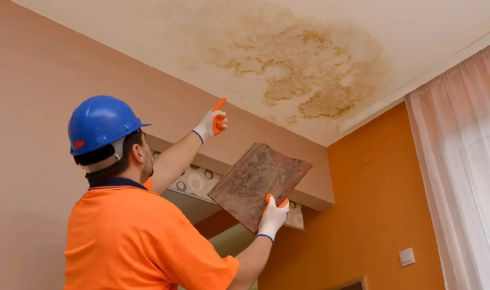
Inside the building, ceiling water stains that appear during wind-driven rainstorms often point to underlayment failure, even if surface shingles appear unbroken. When the underlying barrier degrades or tears, rain driven horizontally beneath shingle laps passes straight through to the wood sheath.
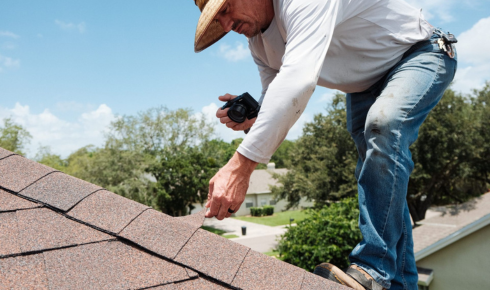
On the exterior, severe shingle buckling, localized dipping along roof planes, or visible black paper debris washing out of downspouts indicate that underlying felt paper has absorbed moisture, wrinkled, or fragmented. When tiles or shingles are removed during localized repairs, underlayment that crumbles easily under manual pressure, feels bone-dry, or shows wide tear lines around fastener heads must be completely replaced.
Best Practices for Extending System Longevity
Preserving the secondary moisture barrier requires a comprehensive approach to roof design and ongoing building maintenance.
Ensuring adequate attic ventilation is one of the most effective ways to prolong underlayment life. Balancing soffit intake vents with ridge exhaust vents maintains airflow across the underside of the roof deck, preventing moisture accumulation and moderating extreme summer temperatures.
Furthermore, pairing primary roofing materials with compatible underlayment grades prevents premature failure. Installing a 15-year asphalt felt under a 50-year tile or slate roof creates an operational mismatch, forcing building owners to execute an expensive tile lift-and-reset project decades before the stone surface material expires. Selecting high-performance synthetic or rubberized bitumen membranes ensures the entire roofing assembly ages at a uniform rate, providing reliable weatherproofing for decades to come.