There is something almost comforting about having your own well. It feels independent, practical, maybe even a little old-fashioned in the best way. No monthly city water bill, no big municipal system between you and the source. Just water from your land, coming into your home when you need it.
But well water also comes with responsibility. Unlike city water, it is not treated and monitored by a public utility before reaching your tap. That means homeowners have to pay closer attention to changes in taste, smell, color, pressure, and overall quality. Sometimes everything seems fine for years, then one season the water starts smelling strange or leaving stains. It happens more often than people think.
Why Well Water Can Change Over Time
Groundwater is influenced by soil, rock, nearby land use, rainfall, plumbing, and the condition of the well itself. A heavy storm, drought, old pipes, nearby construction, or even natural mineral shifts can affect what ends up in your water. So even if your water tested clean in the past, that does not mean it will stay exactly the same forever.
This is why well water treatment is not just about fixing one problem. It is about understanding the water source and choosing a system that fits the actual conditions of the home. Some wells have high iron. Others have hardness, sediment, sulfur odors, manganese, low pH, or microbial concerns. A filter that works beautifully for one house may do almost nothing for the house next door.
Good treatment starts with testing, not guessing. That part matters more than any fancy equipment.
The Smell Nobody Wants in the House
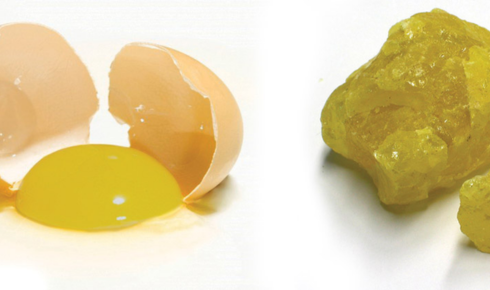
One of the most common complaints from well owners is unpleasant odor. It may show up first in the shower, kitchen sink, or hot water. Sometimes it smells like rotten eggs. Sometimes it is musty, earthy, metallic, or just “off.” And once you notice it, honestly, it’s hard to ignore.
Proper odor removal depends on finding the cause. A sulfur-like smell may come from hydrogen sulfide gas, sulfur bacteria, the water heater, or the well itself. Musty smells may point to organic material or bacterial activity. Chlorine-like smells can appear after shock treatment or certain disinfection processes.
The solution could involve aeration, oxidation, activated carbon, chlorination, filtration, or maintenance of the water heater and plumbing system. But again, the right answer depends on the source of the odor. Covering it up is not enough. The goal is to remove or reduce the cause so the water feels normal to use again.
When Water Looks Clear But Still Needs Testing
Not every water problem is visible. That is the tricky part. Water can look perfectly clear and still contain minerals, gases, or microorganisms that need attention. Some homeowners only test after a smell appears, but routine testing is a smarter habit.
Concerns about bacteria in water should be taken seriously, especially with private wells. Bacteria may enter through damaged well caps, cracked casings, flooding, surface runoff, poor construction, or nearby contamination sources. Some bacteria cause taste and odor issues, while others can indicate the possibility of unsafe water conditions.
Testing can help identify whether bacteria are present and whether the well needs disinfection, repairs, or a more permanent treatment system such as UV purification. If bacteria are found, it is also important to look at why they appeared. Simply shocking the well may help temporarily, but if the well structure is compromised, the issue can return.
Common Well Water Problems Homeowners Notice
Iron is one of the big ones. It can leave orange or reddish stains in sinks, toilets, tubs, and laundry. Manganese can leave dark stains. Hard water creates scale on fixtures and inside appliances. Sediment can make water look cloudy or gritty. Acidic water may corrode pipes and create blue-green stains.
None of these problems are fun, but most are manageable once properly diagnosed. A water softener may help with hardness. An iron filter may deal with staining. Sediment filtration can protect fixtures and appliances. Neutralizers can help correct low pH. UV systems can support microbial protection when installed correctly.
The mistake is trying to solve every issue with one small cartridge filter. Sometimes that works for a minor problem, but well water often needs a more complete setup.
Installation and Maintenance Matter
A good system is only as reliable as its design and installation. Flow rate, pressure, filter size, plumbing layout, drain access, and maintenance schedule all affect performance. A system that is too small may struggle during showers, laundry, or multiple taps running at once.
Maintenance is also part of the deal. Filters need replacement. Media may need servicing. UV lamps must be changed on schedule. Water softeners need salt. Wells may need periodic inspection. It’s not difficult, but it should not be ignored.
Think of it like caring for a vehicle. You don’t wait for smoke from the engine before checking the oil.
Better Water Brings Quiet Peace of Mind
When well water is treated properly, life at home gets simpler. The shower smells fresh. Dishes look cleaner. Laundry stops picking up stains. Coffee tastes better. Guests don’t wrinkle their nose at the tap. More importantly, the household knows the water has been tested and handled with care.
Private well water can be excellent water. It just needs the right attention. With proper testing, smart treatment, and regular maintenance, homeowners can enjoy the independence of a well without constantly worrying about what is coming through the tap.
Clean water should feel easy. And with the right system in place, it usually can.