Most people think choosing a front door is the hard part. Picking the color, the material, the glass style, the hardware — all of that feels like the big decision.
But honestly, the real difference between an entrance that looks amazing for years and one that slowly becomes frustrating often comes down to something less glamorous: installation.
A beautiful door installed poorly is a headache waiting to happen. Drafts creep in. Hinges sag. Locks stop aligning properly. Sometimes the door sticks every winter or scrapes the floor when humidity changes. Little things at first, until they become daily annoyances.
That’s why homeowners have started paying closer attention not just to the product itself, but to the craftsmanship behind putting it in place.
The Front Door Shapes Everyday Life
We don’t usually think of doors as emotional design features, but they kind of are.
Your front entrance becomes part of your routine in subtle ways. It’s the first thing you see after a long day. It’s where guests pause before entering. It’s where kids run through carrying backpacks, where deliveries pile up during holidays, where conversations happen while saying goodbye.
A front door isn’t just functional architecture. It quietly becomes part of daily life.
And because it gets used constantly, quality matters more than people initially realize.
That’s where professional door installation starts making a real difference. It’s not simply about getting the door to fit inside a frame. It’s about making sure everything works together smoothly over time — alignment, insulation, hardware performance, sealing, swing direction, and structural support.
When done correctly, you barely notice it. The door just feels solid and natural every single day.
Funny enough, that’s usually the sign of quality craftsmanship: it disappears into the experience.
Why Precision Matters More Than Appearance Alone
People naturally focus on aesthetics first. And sure, appearance matters. A beautiful entryway changes the entire personality of a home.
But doors are moving systems. They expand slightly during seasonal weather shifts. Frames settle over time. Heavy materials put stress on hinges and anchors. Even a tiny measurement error can create problems months later.
I remember visiting a friend who had installed a custom front door during a renovation. Looked incredible at first glance — oversized glass panels, matte black hardware, modern frame design. But within six months, the locking mechanism stopped aligning correctly because the installation wasn’t level.
Every evening became a little wrestling match with the handle.
That experience taught him something homeowners often overlook: craftsmanship behind the scenes matters just as much as the visible design.
Especially with heavier materials like iron.
Iron Doors Require a Different Level of Skill
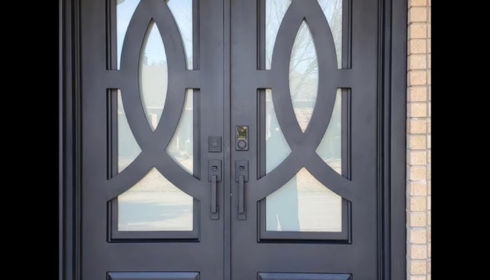
Iron doors have become increasingly popular for good reason. They’re durable, visually striking, and surprisingly versatile across architectural styles.
But they’re also heavier and more structurally demanding than standard residential doors.
Proper iron door installation requires careful planning because weight distribution changes everything. The frame must be reinforced correctly. Hinges need precise placement. Thresholds have to stay level. Weather sealing becomes especially important around glass inserts and metal framing.
This isn’t usually the type of project where shortcuts age gracefully.
And while homeowners sometimes focus heavily on choosing the perfect iron design, experienced installers know the long-term success of the entrance depends equally on what happens behind the trim and inside the frame.
When iron doors are installed properly, though, the result feels incredibly satisfying. Smooth movement. Tight sealing. Quiet closure. A certain grounded heaviness that lighter doors simply don’t offer.
There’s something reassuring about that solidity.
Modern Entrances Are Becoming More Intentional
One interesting shift happening in home design lately is that homeowners are thinking more carefully about entrances overall.
For years, front doors were treated almost like background features — necessary, but secondary. Now, they’re becoming central architectural elements. Designers are using larger glass panes, pivot systems, oversized handles, minimalist frames, and stronger material contrasts to create more memorable entry experiences.
As a result, front door installation has become more detailed than it used to be.
Modern entrances often involve integrated sidelights, custom framing, hidden hardware systems, smart locks, upgraded insulation, and precise alignment with surrounding exterior finishes. The installation process has to account for both visual balance and long-term performance.
And because many contemporary doors are larger and heavier than older residential models, precision becomes even more critical.
You can usually spot rushed installation immediately. Uneven gaps. Drafts near corners. Doors that don’t fully close without force. Those details stand out quickly in real life, even if they look fine in photographs.
Good Installation Protects the Investment
Front doors aren’t cheap upgrades anymore, especially when homeowners choose custom materials or oversized architectural designs.
That’s partly why proper installation matters financially too. A quality entrance should last years without constant adjustments or repairs.
Good installers understand moisture control, thermal expansion, structural framing, and long-term wear patterns. They know how climate affects materials. They understand how homes settle over time. And honestly, that experience often prevents future problems homeowners never even see coming.
It’s a little like foundation work in that sense. Most of the value is invisible once the project is complete.
But you absolutely notice when it’s done badly.
The Best Entrances Feel Effortless
At the end of the day, people don’t really want to think about their front door constantly. They want it to work beautifully and quietly in the background of everyday life.
A well-installed entrance feels effortless. It opens smoothly. Locks cleanly. Keeps outside noise where it belongs. Holds up through changing seasons without drama.
And over time, that reliability becomes part of what makes a house feel like home.
Because while design trends come and go, good craftsmanship tends to age well. It stays dependable long after styles shift and preferences evolve.
Maybe that’s the real secret behind a memorable entrance. Not perfection. Just thoughtful work done carefully enough that people can simply enjoy living with it every day.