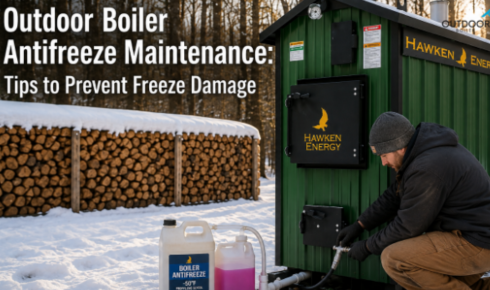
Outdoor boiler antifreeze maintenance is one of the most important steps for protecting your heating system from freezing temperatures and costly repairs. By checking antifreeze quality, maintaining the proper concentration, and following a regular maintenance schedule, you can help your outdoor boiler operate safely and efficiently throughout the year.
Winter can be tough on any heating system, especially one that sits outdoors and is exposed to changing weather conditions. While outdoor boilers are built to withstand the elements, they still need routine care to prevent freeze-related damage that can lead to cracked pipes, damaged heat exchangers, and expensive repairs.
One of the most overlooked aspects of outdoor boiler maintenance is the condition of the antifreeze. Many homeowners assume that once antifreeze has been added, it will continue protecting the system indefinitely. In reality, antifreeze gradually loses its effectiveness over time and should be inspected as part of your regular maintenance routine.
This guide explains why outdoor boiler antifreeze matters, how to maintain it properly, and what signs indicate it may be time for replacement.
Why Outdoor Boiler Antifreeze Matters
Unlike systems that operate only with water, many outdoor boilers rely on specially formulated antifreeze solutions to prevent freezing when temperatures drop below freezing.
Antifreeze provides several important benefits:
- Prevents water from freezing inside the system
- Helps reduce corrosion within pipes and heat exchangers
- Protects pumps and valves from damage
- Extends the lifespan of the heating system
- Helps maintain reliable performance during extremely cold weather
Most outdoor boiler manufacturers recommend using inhibited propylene glycol because it provides freeze protection while also helping prevent internal corrosion.
What Type of Antifreeze Should You Use?
Not all antifreeze products are suitable for outdoor boilers.
The most commonly recommended option is inhibited propylene glycol that is specifically formulated for hydronic heating systems.
Avoid using automotive antifreeze unless your boiler manufacturer specifically approves it. Automotive products often contain additives designed for vehicle engines rather than heating systems and may damage seals or other system components.
Before adding or replacing antifreeze, always consult your owner’s manual to verify the correct product and concentration for your specific boiler.
How Often Should You Check Your Antifreeze?
A quick inspection once each year can help prevent unexpected problems when winter arrives.
Many boiler owners perform antifreeze maintenance during the fall before temperatures begin to drop.
During your inspection, check:
- Antifreeze concentration
- Freeze protection temperature
- Fluid color and clarity
- Signs of contamination
- Fluid level inside the system
Some manufacturers also recommend laboratory testing every few years to evaluate corrosion inhibitors and determine whether the antifreeze should be replaced.
Signs Your Outdoor Boiler Antifreeze Needs Attention
Your system may already be showing signs that maintenance is overdue.
Watch for these warning signs:
Cloudy or Discolored Fluid
Fresh antifreeze typically appears clean and consistent. Dirty or rusty-looking fluid may indicate contamination or internal corrosion.
Low Antifreeze Level
A lower than normal fluid level could point to a leak that should be repaired before adding more antifreeze.
Reduced Heating Performance
If your boiler struggles to maintain temperature, deteriorated antifreeze may be contributing to poor heat transfer.
Visible Corrosion
Rust around fittings, pumps, or other components may suggest that the corrosion inhibitors have weakened.
Old Antifreeze
Even if everything appears normal, antifreeze eventually ages. Manufacturer recommendations vary, but periodic replacement is often necessary.
How to Test Outdoor Boiler Antifreeze
Testing the antifreeze is easier than many homeowners expect.
Several tools are commonly used:
- Refractometer
- Hydrometer
- Test strips designed for hydronic systems
These tools help measure freeze protection and determine whether the antifreeze concentration remains within the recommended range.
If you are unsure about the results, a qualified boiler technician can perform a more detailed analysis.
Tips to Prevent Freeze Damage
Routine maintenance goes beyond simply checking the antifreeze.
Here are several practical ways to protect your outdoor boiler.
Inspect the System Before Winter
Look for leaks, damaged insulation, worn hoses, and loose fittings before freezing temperatures arrive.
Maintain Proper Antifreeze Concentration
Too little antifreeze increases the risk of freezing, while too much can reduce heating efficiency. Follow your manufacturer’s recommended mixture.
Check Circulation Pumps
Proper circulation keeps heated fluid moving throughout the system, reducing the chance of freezing in isolated sections.
Repair Leaks Promptly
Even a small leak can gradually reduce antifreeze levels and compromise freeze protection.
Keep Maintenance Records
Recording test results, fluid changes, and inspections makes it easier to identify trends and schedule future maintenance.
Common Mistakes to Avoid
Many outdoor boiler problems stem from simple maintenance errors.
Avoid these common mistakes:
- Mixing different antifreeze formulations
- Using automotive antifreeze without manufacturer approval
- Ignoring annual antifreeze testing
- Adding water without checking concentration
- Waiting until winter to inspect the system
A little preventive maintenance today can save significant repair costs later.
Frequently Asked Questions
Can I use water instead of antifreeze?
Some outdoor boiler systems are designed to operate with water under certain conditions, but many require antifreeze for freeze protection. Always follow your manufacturer’s recommendations.
Does antifreeze wear out?
Yes. The corrosion inhibitors gradually become less effective over time, which is why regular testing and replacement are important.
How often should outdoor boiler antifreeze be replaced?
Replacement intervals vary depending on the type of antifreeze, operating conditions, and manufacturer recommendations. Regular testing is the best way to determine when replacement is needed.
Protect Your Outdoor Boiler Before Winter Arrives
Regular outdoor boiler antifreeze maintenance is one of the simplest ways to reduce the risk of freeze damage, improve heating efficiency, and extend the life of your system. Taking time to inspect antifreeze levels, test its condition, and address small issues before cold weather sets in can help prevent unexpected breakdowns when you need heat the most.
If you have questions about outdoor boiler maintenance, freeze protection, or choosing the right antifreeze for your system, visit our website at outdoorboiler.com. We are happy to help you find reliable information and practical solutions to keep your outdoor boiler operating safely throughout every season.