
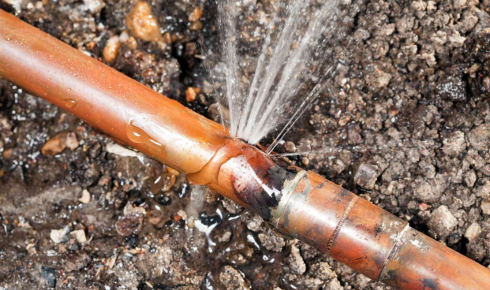
A home can hide a lot of things. Dust behind the sofa, old paint under new paint, a forgotten box in the attic. But water line problems? Those don’t stay hidden forever. They usually start quietly, with a damp patch in the yard or a water bill that looks a little too high. Then, before you know it, you’re standing there wondering how something underground became the biggest headache of the week.
Water lines are easy to forget because they do their job out of sight. Clean water comes into the house, taps work, showers run, the washing machine fills up, and life moves on. That’s how it should be. But when a water line begins to fail, even a small issue can affect comfort, safety, and your wallet.
When the First Signs Show Up
Most water line issues don’t announce themselves with drama right away. Sometimes the pressure at the faucet gets weaker. Maybe one part of the lawn looks greener than the rest, even when it hasn’t rained. You might hear water running when every fixture is turned off. These little clues are easy to brush aside, especially when daily life is already busy.
But that’s usually the moment to pay attention. A hidden leak underground or behind a wall can waste a surprising amount of water. It can also damage soil, foundations, flooring, and nearby plumbing connections. What looks like a minor inconvenience today may not stay minor for long.
Why Professional Repair Makes a Difference
There’s a big difference between guessing where the issue is and actually finding it. Modern plumbing professionals often use leak detection tools, pressure testing, and line inspection methods to understand what is happening before digging or replacing anything. That matters, because unnecessary digging can make the job messier and more expensive than it needs to be.
Good water line repair is not just about fixing the broken section. It’s about understanding why the line failed in the first place. Was it old pipe material? Ground movement? Tree roots? Corrosion? Poor installation from years ago? When the cause is clear, the repair has a better chance of lasting, instead of turning into the same problem again six months later.
The Leak You Don’t See Can Still Hurt You
One of the frustrating things about plumbing leaks is how quietly they can waste money. You may not see a flood. You may not smell anything strange. Everything inside the house might seem mostly normal. Still, water can be escaping underground day after day.
A water line leak can show itself through damp soil, low pressure, unexplained sounds, or rising utility bills. In some cases, the water may even move under sidewalks, driveways, or building slabs, making the source harder to spot. That’s why early inspection is worth it. Finding the issue before it spreads can reduce damage and make the repair more manageable.
Old Pipes, New Problems
Many older homes still rely on aging water lines that were installed decades ago. Some materials hold up better than others, but no pipe lasts forever. Over time, soil conditions, mineral buildup, shifting ground, and pressure changes can wear down even a strong system.
This is especially true in areas where the weather changes sharply or where the ground expands and contracts. A small crack can widen. A weak joint can loosen. A pipe that worked fine for years can suddenly become unreliable. Homeowners often feel surprised when this happens, but plumbing systems age just like roofs, appliances, and electrical panels.
Waiting Can Cost More Than Repairing
Nobody enjoys paying for plumbing work. That’s understandable. It’s not like buying a new sofa or upgrading a kitchen where you get to admire the result every day. Most of the money goes into restoring something you expected to work anyway.
Still, delaying repairs can turn a manageable issue into a costly problem. Water damage can affect landscaping, concrete, floors, and even structural areas of the home. If the leak grows, emergency repairs may be needed at the least convenient time. And emergency work almost always feels more stressful than planned maintenance.
What Homeowners Can Do
The best thing you can do is stay alert without becoming paranoid. Check your water bill now and then. Notice pressure changes. Walk around the yard after dry weather and look for unusual wet spots. Listen for running water when the house is quiet. These simple habits can help you catch trouble early.
And when something feels off, don’t ignore it for weeks. A professional inspection can either give you peace of mind or confirm that a repair is needed. Either way, you’ll know where you stand.
Quiet Pipes Are a Good Thing
Water lines are not supposed to be exciting. In fact, the less you think about them, the better they’re probably working. But when signs of trouble appear, acting early is the smarter move.
A dependable water line keeps daily life simple — morning coffee, clean laundry, hot showers, and everything else we tend to take for granted. Protecting that system means protecting the comfort of the whole home. And sometimes, all it takes is noticing the small signs before they become big ones.