There’s something quietly reassuring about filling a glass of water and not second-guessing it. No odd taste. No faint smell. No cloudy little mystery floating around when the light hits the glass just right. Most people don’t think about their drinking water every day, not really. They turn on the tap, fill the kettle, make coffee, rinse vegetables, mix baby formula, or grab a quick drink before heading out the door.
But when the taste feels off, or when the water leaves you wondering what’s actually in it, suddenly it becomes a daily concern. That’s where proper filtration starts to matter. Not in a dramatic, scare-you-into-buying-something way. More like a practical, common-sense home decision.
Why Tap Water Can Still Need Extra Care
Municipal water is usually treated before it reaches your home, and private wells may have their own testing and treatment needs. Still, the water that comes out of the tap can pick up different things along the way. Old pipes, minerals, chlorine taste, sediment, dissolved solids, and other unwanted impurities can affect the way water smells, tastes, and feels.
Some households notice it more than others. Maybe the tea has a dull flavor. Maybe ice cubes look cloudy. Maybe the water tastes a bit metallic in the morning. These little signs don’t always mean there’s a serious problem, but they can point to a need for better filtration at the point where you actually drink the water.
For many homeowners, under-sink filtration becomes a simple way to improve the water used most often for drinking and cooking.
How Reverse Osmosis Works in Plain English
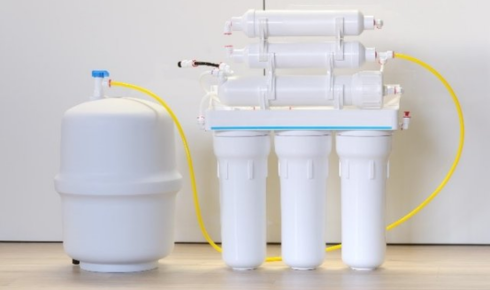
A reverse osmosis system may sound technical, but the basic idea is fairly simple. Water is pushed through a special membrane that helps reduce many dissolved contaminants and tiny particles. Before and after that membrane, the system often uses additional filters, such as sediment and carbon filters, to improve performance and taste.
Good reverse osmosis systems are designed to target things that basic pitcher filters may not handle as effectively. Depending on the model and water conditions, they may reduce dissolved solids, chlorine taste, certain heavy metals, and other impurities that affect drinking water quality.
The result is usually cleaner-tasting water right from a dedicated faucet. No hauling bottles from the store. No stacking plastic jugs in the pantry. No wondering whether the filter pitcher has been changed on time — again.
The Taste Difference Is Often the First Thing People Notice
Most homeowners don’t talk about filtration in technical language. They talk about taste. “The water just tastes better.” That’s usually the first reaction after installing a quality drinking water system.
Coffee can taste cleaner. Tea may feel brighter. Soups, pasta, rice, and even homemade lemonade can improve because water is part of the recipe, whether we notice it or not. When the base ingredient tastes better, the final result often does too.
This is one reason drinking water treatment has become such a practical upgrade for modern kitchens. It’s not only about safety concerns or lab reports. It’s also about making everyday water more pleasant to use.
And honestly, when clean water is easy to access, people tend to drink more of it. That alone can make the whole system feel worthwhile.
A Helpful Alternative to Bottled Water
Bottled water can seem convenient, but it becomes tiresome. The buying, carrying, storing, recycling, and replacing never really ends. A reverse osmosis system gives households a more permanent option. Once installed, it can provide filtered drinking water directly from the kitchen sink.
There is still maintenance involved, of course. Filters need changing, and the RO membrane has its own replacement schedule. But compared with the ongoing routine of buying bottled water week after week, many families find it easier and more economical over time.
It also cuts down on plastic waste, which matters to a lot of people now. Maybe not everyone thinks about that every time they open a bottle, but when you see the recycling bin fill up, it’s hard not to notice.
What to Consider Before Choosing a System
Not all homes need the same setup. Water quality varies by location, and so does household usage. A couple living in a small apartment may need something different from a busy family kitchen where water is used all day.
Before choosing a system, it helps to know what’s in the water. A water test can show hardness, total dissolved solids, chlorine levels, and other concerns. That information makes it easier to choose the right filtration setup rather than guessing from product labels.
Tank size, filter stages, flow rate, installation space, and maintenance cost are all worth considering. Some systems fit neatly under the sink. Others need more room. Some include remineralization filters to improve taste after the RO process. Small details can make a big difference in daily use.
The Everyday Value of Purified Water
Once people get used to having purified water at home, they often wonder why they waited so long. It becomes part of the routine without much thought. Fill the bottle before school. Make coffee in the morning. Cook dinner. Give the pets fresh water. Rinse fruit. It’s just there, ready when needed.
That convenience is easy to underestimate. Clean drinking water is one of those things that doesn’t feel exciting until you don’t have it. Then it matters immediately.
A reverse osmosis system doesn’t need to be flashy. It won’t change the look of your kitchen much, except maybe for a small dedicated faucet. But behind that quiet setup is a useful improvement that supports better taste, easier access, and more confidence in the water your household uses every day.
A Small Upgrade With a Lasting Place in the Home
Home upgrades are often judged by how visible they are. New countertops get compliments. Fresh paint gets noticed. A water filtration system? Usually not. It works quietly under the sink, doing its job without attention.
Still, it can become one of the most appreciated changes in the house. Better drinking water affects mornings, meals, workouts, packed lunches, and late-night glasses of water beside the bed. It’s simple, but not small.
For homeowners who care about taste, convenience, and reliable water quality, reverse osmosis remains a smart and practical choice. Not because it sounds fancy, but because it makes something essential feel easier, cleaner, and more trustworthy.