Water is one of those things you never really question—until you do. You drink it, cook with it, shower in it, wash everything with it. It’s just there, always moving through the background of life like it has no story of its own.
But then one day, something small shifts. Soap doesn’t feel the same. The kettle starts collecting that white crust again. Your skin feels a bit tighter after a shower. Nothing dramatic, nothing alarming… just slightly “off.”
That’s usually how the story of water issues begins at home. Quietly.
When Everyday Water Starts Feeling Different
Most households don’t think in technical terms about water. It’s either fine or it isn’t. But in reality, there’s a slow shift that happens based on minerals, source conditions, and local infrastructure.
One of the most common reasons behind that change is hard water. It simply means water carrying higher levels of calcium and magnesium. Sounds harmless on paper, and it mostly is—but the effects build up over time in very visible ways.
You notice it on bathroom tiles first. Then on taps. Then maybe in how your shampoo just refuses to lather properly. It’s not dramatic, but it becomes part of your daily routine without you even choosing it.
And that’s the strange thing—people rarely “discover” hard water. They just slowly adjust to it.
The Hidden Helpers Behind Smoother Water at Home
At some point, most people start looking for ways to make water behave better. Not perfect. Just… better.
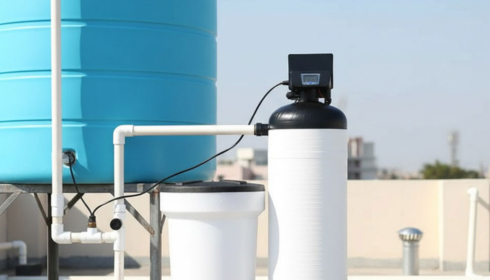
That’s where water softeners quietly step in. They’re designed to reduce the minerals that cause scaling and buildup, helping water feel lighter and less harsh in everyday use.
What’s interesting is how quickly people forget the change once it’s installed. One day you’re frustrated with stains and soap problems, and a few weeks later you’re just… not thinking about them anymore. Everything starts working a bit more smoothly—washing machines, showers, even cleaning routines.
It’s not a flashy upgrade. You don’t show it off to guests. But it changes the background quality of daily life in a way that’s surprisingly noticeable when you look back.
Living With Water That Behaves Differently Than Expected
Water is one of those rare things where expectations are very simple. We want it to be clean, consistent, and predictable. No surprises.
But when mineral content is high or conditions change, those expectations quietly get disrupted. Not enough to stop life—but enough to make it slightly more frustrating.
That’s why more people are paying attention to water conditioning today. It’s not just about removing hardness—it’s about balancing the overall quality of water so it behaves more consistently across the home.
Conditioning can involve different approaches depending on the setup, but the idea stays the same: improve how water interacts with your home systems, appliances, and even your skin.
And once you experience water that’s been properly conditioned, you start noticing how much effort you used to put into dealing with the “unconditioned” version of it.
Small Problems That Slowly Become Normal
What’s funny about water issues is how easily they become part of life without you realizing it.
At first, you notice a bit of scaling. Then you start scrubbing more often. Maybe you switch soaps or cleaning products. Slowly, you adapt your habits instead of fixing the cause.
That’s how most households operate—not because they ignore the problem, but because it doesn’t feel urgent enough to deal with immediately.
But over time, those small adjustments add up. More cleaning. Slightly higher maintenance costs. Appliances wearing out faster than expected. It all blends into “normal life” until something changes the pattern.
Why Water Quality Is Really About Comfort, Not Just Chemistry
People often think water improvement is a technical subject—filters, minerals, chemical levels, all that.
But in reality, it’s much more personal than that.
It shows up in how your skin feels after a shower. In how long your appliances last. In how easy it is to clean your kitchen without stubborn residue everywhere.
Good water doesn’t feel special. It just removes friction from everyday tasks. And that’s probably why it’s easy to overlook when everything is working fine.
You don’t celebrate it—you just live more comfortably without thinking about why.
The Part You Only Realize Later
The interesting thing about water improvements is that you rarely notice them at the moment they happen. You notice them in comparison.
Like when you travel somewhere and the water feels different. Or when you visit a home where things aren’t set up the same way. That’s when it clicks.
“Oh… so this is what it was supposed to feel like.”
And that’s usually the final takeaway. Not that water is complicated, but that small changes in it can quietly reshape everyday comfort more than we expect.
Whether it’s dealing with hard water, installing water softeners, or exploring better water conditioning, the goal isn’t perfection. It’s just making one of life’s most basic elements a little easier to live with—without even thinking about it too much.