Most homeowners don’t think much about water until it starts leaving clues. A cloudy glass. A showerhead that sprays sideways. A kettle with a chalky ring at the bottom. At first, these things seem small, almost too ordinary to worry about. You wipe the tap, rinse the sink, scrub the bathroom tiles, and carry on.
But over time, those little signs can start to tell a bigger story. The water running through your home may be doing more than filling cups and washing dishes. It may be leaving minerals behind, wearing down appliances, and making daily cleaning feel like a never-ending chore.
That’s often where hard water enters the conversation. It’s not usually dangerous in a dramatic way, and it doesn’t always taste strange. In fact, many people live with it for years without giving it a proper name. Still, it can quietly affect comfort, cleaning, plumbing, and even how your skin and hair feel after a shower.
Why Some Water Feels Different
Water picks up minerals as it moves through soil, rocks, and underground deposits. By the time it reaches your home, it may carry different levels of dissolved minerals depending on your local water source. Some areas naturally have softer water, while others deal with heavy mineral content year-round.
The main minerals involved are calcium and magnesium, which sound harmless enough because, well, they are common minerals. The problem isn’t that they exist. The problem is what they do when they build up inside pipes, fixtures, water heaters, dishwashers, washing machines, and bathroom surfaces.
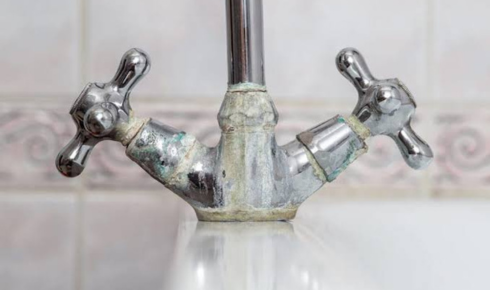
You may not notice it immediately. Hard water tends to work slowly. It leaves a little residue today, a little scale tomorrow, and then suddenly your once-shiny faucet looks dull no matter how many times you clean it.
The Signs Are Usually Hiding in Plain Sight
One of the most frustrating parts of mineral-heavy water is how ordinary the symptoms look. A homeowner may blame poor soap, old appliances, or bad cleaning products before thinking about the water itself.
Soap that doesn’t lather well can be one clue. Clothes that feel stiff after washing can be another. Hair may feel rough or flat, and skin may feel dry even after using moisturiser. Glassware might come out of the dishwasher looking foggy instead of sparkling. None of these things screams emergency, but together they can become pretty annoying.
Then there are hard water stains, the pale, chalky marks that appear on shower doors, sinks, taps, toilets, and tiles. These stains can make a clean bathroom look neglected, which is especially irritating when you know you just cleaned it yesterday. Regular cleaners may remove some of the marks, but if the mineral problem continues, the stains usually come right back.
How It Affects Appliances and Plumbing
The visible stains are only part of the issue. Inside the home, mineral scale can collect in places you don’t see. Water heaters are a common example. When scale builds up inside the tank, the heater may need more energy to do the same job. Over time, that can affect efficiency and may shorten the life of the system.
Dishwashers and washing machines can also suffer. Mineral deposits can clog small parts, reduce water flow, and leave residue on dishes or laundry. Even coffee makers and kettles can show signs of scale, especially if they are used daily.
Pipes may also be affected, particularly in areas with very hard water. Scale can narrow the inside of plumbing lines over time, reducing flow and putting extra strain on the system. It’s not always sudden, but plumbing problems rarely need to be sudden to become expensive.
Cleaning Becomes More Work Than It Should Be
A home with mineral-heavy water often demands more cleaning effort. You may find yourself buying stronger products, scrubbing longer, or repeating the same bathroom cleaning routine more often than you’d like.
The tricky thing is that hard water residue can make surfaces look dirty even when they aren’t. A sink can be sanitised and still look cloudy. A shower door can be freshly wiped and still have spots. That gets old fast.
This is why many homeowners eventually look into water testing or treatment options. Once they understand what’s actually causing the buildup, the solution becomes easier to choose.
What Homeowners Can Do About It
The first step is simple: test the water. Many local professionals can check hardness levels, or you can use a basic home test kit. Knowing the mineral level helps you decide whether a full water softener, targeted filter, or maintenance routine makes the most sense.
A water softener is one of the most common solutions for homes with significant hardness. It helps reduce the minerals responsible for scale, making water easier on plumbing, appliances, fixtures, laundry, and cleaning routines. For smaller issues, descaling products and regular maintenance may help, though they usually don’t solve the root cause.
It’s also wise to clean appliances that heat water. Descale kettles, coffee makers, and showerheads when needed. Keep an eye on water heater performance. And don’t ignore slow changes, because mineral buildup tends to become more stubborn the longer it sits.
A Small Change That Can Make Home Life Easier
Hard water is one of those household problems that doesn’t always feel urgent, yet it touches so many everyday moments. Washing your hands. Taking a shower. Doing laundry. Cleaning the bathroom. Making tea in the morning. It’s all connected.
The good news is that once you identify the issue, it becomes manageable. Cleaner fixtures, softer laundry, better appliance performance, and less scrubbing can all make a real difference. Not flashy, maybe, but very practical.
And sometimes that’s what a better home is really about — fewer little frustrations, smoother routines, and water that quietly does its job without leaving so much evidence behind.