Most of us turn on the kitchen tap without giving it much thought. Fill the kettle, rinse an apple, pour a glass before bed. Water is supposed to be simple like that — clear, clean, and forgettable in the best possible way. But the moment it starts tasting or smelling a bit like a public pool, it becomes hard to ignore.
That sharp, chemical note in household water is something many families notice, especially in areas served by municipal water systems. It can show up suddenly after utility maintenance, during seasonal changes, or just become more noticeable over time. And while treated water is generally meant to be safe, that doesn’t always mean it is pleasant to drink, cook with, or shower in.
Why Treated Water Can Smell Chemical
Public water suppliers often use chlorine as a disinfectant because it helps control bacteria, viruses, and other microorganisms as water travels through pipes. In that sense, it plays an important role. Without proper disinfection, water systems would be much more vulnerable to contamination.
Still, the same treatment that helps protect water can also leave behind a noticeable smell or flavor. Some people barely notice it. Others pick it up right away, especially in a glass of room-temperature water or while running a hot shower. It depends on the water source, distance from the treatment facility, pipe conditions, and even personal sensitivity.
That First Sip Matters
There is something disappointing about taking a drink of water and tasting chemicals before anything else. A strong chlorine taste can make plain tap water feel less refreshing, even if testing shows it meets basic safety standards. People may start buying bottled water, adding flavor packets, or avoiding tap water altogether.
The problem is not always dramatic. Sometimes it is subtle — coffee tastes a little flat, tea has an odd edge, soup broth seems off, or ice cubes change the flavor of a drink as they melt. These small things add up. Water is part of nearly everything we consume at home, so when the taste is wrong, the whole kitchen feels a bit affected.
Smell Can Be Even More Noticeable
For many homeowners, the smell is more frustrating than the taste. A strong chlorine odor may become obvious when water is heated, which is why showers, dishwashers, and laundry rooms can make the issue feel worse. Steam carries the smell into the air, and suddenly the bathroom has that “indoor pool” scent.
This can be especially annoying for people with sensitive noses, young children, or anyone who simply wants their home to feel fresh. Even if the odor is not harmful at typical household levels, it can make daily routines less comfortable. Nobody wants to step into a warm shower and feel like they are rinsing off at a gym facility.
Why Some Homes Notice It More
Not every house on the same street experiences water in the exact same way. Older plumbing, long pipe runs, water heaters, and even faucet aerators can affect how water tastes or smells by the time it reaches your glass. Sometimes the issue is stronger at certain taps. Other times it is more noticeable in hot water than cold.
Seasonal changes may also play a role. During warmer months, treatment levels or water conditions can shift. After storms, repairs, or flushing of local mains, homeowners may notice a temporary change. If the smell fades quickly, it may not be a long-term concern. But when it keeps coming back, it is worth looking deeper.
Simple Steps Before Choosing a System
Before investing in any treatment option, start with observation. Does the smell happen only with hot water? Is it strongest in one bathroom? Does it improve after running the tap for a minute? These details help narrow things down.
A basic water test can also help confirm what is present. It may show disinfectant levels, pH balance, hardness, metals, or other factors that influence taste and odor. Guessing can lead to buying the wrong filter, and that is frustrating. A little information upfront usually saves money later.
Treatment Options That Make Water Better
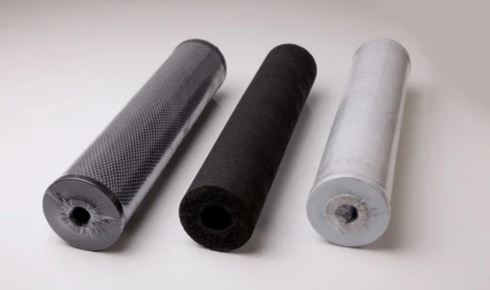
For many households, carbon filtration is one of the most common ways to improve chemical taste and smell. A simple point-of-use filter can help at a kitchen sink, while a whole-home system treats water before it reaches showers, laundry, and appliances. The right choice depends on how widespread the issue is.
Some families only care about drinking water. Others want cleaner-feeling showers and better water throughout the house. There is no single perfect answer for everyone. The best setup is the one that matches the actual problem, the home’s plumbing, and the family’s everyday habits.
A Better Tap Experience
Good water should not feel like something you have to tolerate. It should taste clean, smell neutral, and make daily routines easier. When chemical taste or odor starts getting in the way, it is not silly to care about it. Water touches too many parts of life to ignore.
The encouraging part is that these issues are often manageable once you understand the cause. With proper testing and the right treatment approach, tap water can become something you actually enjoy drinking again — not something you quietly avoid.