
Water problems do not always arrive in a dramatic way. Sometimes there is no burst pipe, no brown water pouring from the tap, no obvious emergency. Instead, it starts with small things. A glass of water tastes a little off. The shower has a strange odour for the first few seconds. The kitchen sink leaves a faint film. The ice cubes look cloudy. Nobody panics, but everyone notices.
That is often how water issues begin. Quietly. Annoyingly. And then, little by little, they become part of daily life.
The truth is, water can look clear and still contain minerals, gases, sediment, bacteria, or other unwanted substances. It can be safe in some ways but unpleasant in others. It can be technically usable while still creating stains, smells, poor taste, and frustration around the home. This is why understanding the source of the problem matters so much.
A good water solution is not about guessing. It is about finding the real cause and treating it properly.
Strange Smells Should Not Be Ignored
One of the most common complaints homeowners mention is a rotten-egg type odour. That unpleasant sulfur smell can make showers, sinks, laundry rooms, and kitchens feel less clean, even when everything has just been washed. It may come from hydrogen sulphide gas, certain bacteria, a water heater issue, or the water source itself.
The smell may be stronger when hot water runs, or it may appear from both hot and cold taps. That detail matters. If the odour only comes from hot water, the water heater may need attention. If it comes from every tap, the issue may be deeper in the water supply or treatment system.
Either way, air freshener is not a solution. The water needs testing, and the system needs to be checked properly.
When Water Turns Cloudy
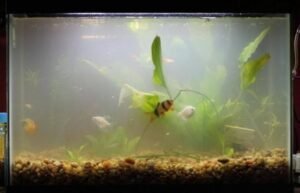
Another problem that unsettles people is cloudy water. Sometimes it is only tiny air bubbles, especially if the water clears from the bottom of the glass upward after sitting for a minute. That may not be a serious issue. But if the cloudiness remains, or if the water has particles, colour, taste, or odour, it deserves closer attention.
Cloudiness may be caused by sediment, minerals, organic matter, or changes in water pressure. In rural homes or properties using wells, it may also appear after heavy rain, flooding, digging, pump work, or seasonal shifts in the groundwater.
The tricky part is that cloudiness can mean different things in different homes. That is why testing comes before treatment. A sediment filter may help in one case, while another home may need a more complete system.
Taste, Stains, and Everyday Frustration
Water problems are not always about safety. Sometimes they are about daily comfort. Water that tastes metallic, earthy, salty, bitter, or chemical-like can make families avoid drinking from the tap. Stains in sinks and toilets can make a clean bathroom look neglected. Scale around faucets and showerheads can make chores feel endless.
These things may seem small, but they affect how the home feels. Nobody wants to apologise to guests for the smell of the tap water. Nobody wants to scrub the same stain every week. Nobody wants to buy bottled water because the kitchen tap tastes wrong.
Poor water quality quietly adds work to everyday life.
Why Testing Is the Smart First Step
A proper water test removes the guesswork. It can show whether the issue is related to hardness, iron, manganese, sulphur, sediment, bacteria, chlorine, pH imbalance, dissolved solids, or another concern. Without testing, it is easy to buy a filter that only treats one symptom while the real problem stays untouched.
This is where professional contaminant removal becomes important. The right system should be selected based on what is actually present in the water, not just what someone assumes is there. Some homes may need oxidation and filtration. Others may need carbon filtration, sediment control, softening, UV disinfection, reverse osmosis, or a combination of stages.
Water treatment works best when every part has a purpose.
One Filter Cannot Fix Everything
It would be nice if one simple filter solved every water problem. Unfortunately, water is rarely that cooperative. A carbon filter may improve taste and odour, but it may not remove heavy sediment or hardness. A softener may reduce mineral scale, but it will not automatically handle bacteria. UV treatment may help with microbial concerns, but it needs clear water to work effectively.
The order of treatment also matters. Sediment should often be removed before water reaches more delicate equipment. Odour problems may require specific treatment before polishing filters. Drinking water may need a separate point-of-use system for the kitchen tap.
A properly designed setup is not always complicated, but it should be thoughtful.
Maintenance Keeps Problems from Returning
Even the right water system needs care. Filters clog. Media beds wear out. UV lamps weaken. Valves age. Water conditions may change after storms, drought, plumbing repairs, or shifts in the source supply. If maintenance is ignored, old problems can slowly return.
Homeowners can help by watching for changes in smell, taste, colour, pressure, staining, or clarity. Keeping a simple service schedule is also useful. It is not exciting, but it prevents a lot of frustration.
Clean Water Should Feel Normal
Good water does not need to be fancy. It should simply feel clean, taste pleasant, and work well throughout the home. Showers should not smell strange. Drinking water should not make people hesitate. Sinks, toilets, and appliances should not constantly fight stains, scale, or sediment.
When water problems are understood early, they are usually much easier to solve. Test first, treat properly, and maintain the system over time.
Because clean water is not just about what comes from the tap. It is about the quiet comfort of knowing your home is using water you can trust every day.