Most people don’t spend much time thinking about the water coming from their taps. If it looks clear and doesn’t smell strange, it usually gets a free pass. Life moves on. Coffee gets brewed, dishes get washed, kids fill their water bottles before school, and nobody gives it another thought.
Until something changes.
Maybe the water starts tasting metallic. Maybe there’s a faint sulfur smell that appears every now and then. Sometimes it’s not even obvious — just dry skin after showers, cloudy glassware, or appliances that seem to wear out faster than expected.
The funny thing is, water problems often creep in quietly. They don’t always arrive with dramatic warning signs. And because they develop gradually, many homeowners simply adapt to them without realizing there might actually be an underlying issue worth checking.
That’s where proper Water Testing becomes incredibly valuable.
Clear Water Doesn’t Always Mean Clean Water
One of the biggest misconceptions people have is assuming clean-looking water automatically means healthy water. Unfortunately, water can appear perfectly normal while still containing minerals, contaminants, bacteria, sediment, or chemical imbalances that affect both health and household systems over time.
Municipal treatment facilities do a solid job overall, but water still travels through aging pipes, local infrastructure, and home plumbing before reaching the tap. Well water introduces its own entirely different set of variables depending on geography, rainfall, and nearby environmental conditions.
I remember talking with a homeowner who kept replacing faucet fixtures every couple of years because of stubborn buildup and corrosion. They thought they were just buying poor-quality hardware. Turns out the water itself had unusually high mineral content that was slowly damaging plumbing throughout the house.
Once the issue was identified, everything started making more sense.
Why Homeowners Are Becoming More Curious About Their Water
There’s definitely been a shift lately. More families are asking questions about what’s actually in their water and how it may be affecting their homes.
Part of that comes from growing awareness around wellness and environmental health. But honestly, part of it also comes from rising appliance costs. Nobody wants to replace water heaters, dishwashers, or washing machines earlier than necessary.
Testing water gives homeowners real information instead of guesswork.
Rather than randomly buying expensive filtration systems because of an online ad, people can understand what their water specifically needs — or doesn’t need.
That clarity matters more than most people realize.
A Small Test Can Prevent Bigger Problems Later
One thing professionals often mention is that water-related damage rarely happens overnight. Mineral buildup inside pipes, corrosion, sediment accumulation, and appliance strain usually develop gradually over years.
The challenge is that these problems stay mostly invisible until something fails.
A proper Free Water Test can help identify potential concerns early before they turn into expensive repairs or frustrating maintenance issues. Sometimes the results reveal only minor adjustments are needed. Other times, they uncover more serious water quality concerns homeowners weren’t even aware existed.
Either way, information is useful.
And honestly, many people feel relieved after testing because uncertainty disappears. Even if the results show the water is perfectly fine, there’s comfort in knowing rather than wondering.
Water Quality Impacts Everyday Comfort Too
People often focus heavily on drinking water safety, which is obviously important. But water quality also affects everyday comfort in smaller, quieter ways.
Hard water can make soap difficult to rinse properly. Chlorine-heavy water sometimes affects taste and odor. Excess minerals may leave laundry stiff or dull over time. Even hair and skin can feel noticeably different depending on water conditions.
These aren’t exactly emergencies, yet they influence daily life constantly.
I stayed at a rental property once where the shower water left my skin feeling dry after every shower. At first I blamed the soap, then the weather, then maybe dehydration. Later the property owner mentioned they were having hard water issues throughout the building. Suddenly everything clicked into place.
Water quality shapes comfort more than most of us consciously notice.
The Importance of Professional Evaluation
While at-home testing kits exist, professional water analysis usually provides a much clearer picture of what’s happening. Experts can identify specific contaminants, mineral levels, pH imbalances, and treatment recommendations tailored to the property itself.
That last part is important because no two homes are exactly alike.
A house using municipal water in one area may face completely different challenges than a rural home using a private well. Older plumbing systems introduce different concerns compared to newly built homes.
Good water professionals don’t simply push the same equipment onto every homeowner. Ideally, they explain the results clearly, discuss realistic options, and help people choose solutions that actually fit their needs and budget.
That approach tends to build far more trust than scare tactics ever will.
Water Treatment Isn’t Always About Major Systems
One misconception worth clearing up: not every water issue requires a massive whole-house filtration setup.
Sometimes a simple under-sink filter solves the problem perfectly. Other situations may benefit from water softeners, sediment filters, or specialized treatment depending on the results.
The goal isn’t to overcomplicate things. It’s to improve water quality in a practical, effective way.
And often, homeowners discover their water concerns are easier to address than they originally expected.
Final Thoughts
Water touches nearly every part of daily life, yet it’s surprisingly easy to overlook until problems become impossible to ignore.
Testing your water isn’t about paranoia or overreacting. It’s really about understanding what’s happening inside your home so you can make informed decisions instead of assumptions.
Because whether it’s protecting appliances, improving comfort, or simply feeling more confident about the water your family uses every day, a little knowledge goes a long way.
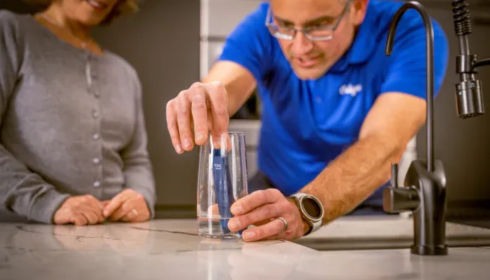
And sometimes, the smartest home improvement project starts with something as simple as a glass of water and a few honest questions.