It doesn’t always start with a big problem. Sometimes it’s just a pause — a moment where you sip your water and think, hmm, that tastes a bit off. Or maybe it’s the way your kettle builds up scale faster than it should. Nothing alarming, just enough to make you curious.
And curiosity, oddly enough, is where better water begins.
We tend to take water for granted. It’s there when we need it, flows on command, looks clear enough. But what we don’t see often matters more than what we do. Minerals, chemicals, even tiny traces of contaminants — they don’t announce themselves loudly. They just exist, quietly shaping the quality of what we use every single day.
When “Looks Fine” Isn’t the Full Story
Clear water can still carry a lot beneath the surface. That’s the tricky part. You can’t always judge quality by appearance or even taste.
For some households, the issue is hardness. For others, it’s chlorine or sediment. In certain areas, groundwater can bring in elements that weren’t expected at all. And unless you’ve had your water checked, you’re essentially guessing.
That’s why more people are turning toward free water testing — not as a sales gimmick, but as a starting point. It gives you a snapshot of what’s actually going on. Sometimes the results are reassuring. Other times, they highlight small issues that are easy to fix once you know they exist.
Either way, it replaces uncertainty with clarity. And that alone is valuable.
The Value of Talking to Someone Who Understands It
Testing is one thing. Understanding the results? That’s where things can get a bit confusing.
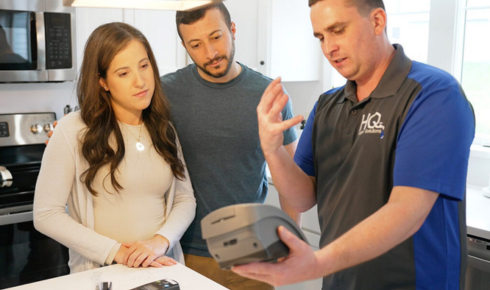
Numbers, measurements, unfamiliar terms — it’s not always straightforward. You might see a report and wonder whether something is “bad” or just “normal.” That’s where a water quality consultation can make a real difference.
It’s less about selling you something and more about translating information into something useful. A good consultation helps you connect the dots — why your water tastes the way it does, why certain issues keep coming back, and what (if anything) you should actually do about it.
Sometimes, the answer is surprisingly simple. Other times, it requires a bit more thought. But at least you’re making decisions based on understanding, not guesswork.
Digging Deeper Into What Might Be There
For those who want a more detailed picture, basic testing might not be enough. Especially if there are specific concerns — health-related or otherwise.
That’s when water contaminants testing comes into the conversation. It goes beyond general analysis and looks for particular substances that might not show up in standard tests. Things like heavy metals, bacteria, or chemical residues.
Now, not every home needs this level of detail. But for some, it provides peace of mind that’s hard to put a price on. Knowing what’s in your water — and just as importantly, what isn’t — can change how you feel about something you use every day.
The Small Changes That Follow
Once you understand your water, changes tend to happen naturally.
You might decide to install a simple filter. Or maybe a softener, if hardness is the issue. Some people go further, upgrading multiple points in their home. Others stick to small, targeted improvements.
There’s no single “right” approach here. It depends on your needs, your priorities, and honestly, your comfort level. The important thing is that you’re no longer guessing.
And interestingly, even small adjustments can make a noticeable difference. Water tastes better. Appliances behave differently. Cleaning feels easier. It’s not dramatic, but it’s consistent — and consistency is what matters.
Avoiding the Overwhelm
Let’s be honest — once you start researching water solutions, it’s easy to fall down a rabbit hole. There’s a lot of information out there, and not all of it is helpful.
Some systems promise everything. Others sound overly technical. It can feel like you need to become an expert just to make a simple decision.
But you don’t.
Start with what you know. Build from there. Focus on your specific situation rather than trying to solve every possible issue at once. Water improvement isn’t a race. It’s a process.
A Different Way of Thinking About Water
There’s something interesting that happens once you start paying attention to your water. It stops being invisible.
You notice how it tastes in your morning tea. How it feels during a shower. How it behaves when you’re cooking or cleaning. It becomes part of your awareness in a way it never was before.
And that’s not a bad thing. It just means you’re more connected to something that plays a surprisingly big role in your daily life.
Final Thoughts
You don’t need to be obsessed with water quality to care about it. You just need a bit of curiosity and a willingness to ask questions.
From there, things tend to fall into place. A test here, a conversation there, maybe a small upgrade when it makes sense.
It’s not about perfection. It’s about confidence — knowing that the water you rely on is doing what it should, without leaving you wondering every time you turn on the tap.