You don’t really notice water pressure—until it’s gone.
One morning everything’s fine, the shower feels just right, the tap runs smoothly. Then suddenly, something’s off. The flow weakens, the pump keeps clicking on and off, and you’re left wondering what changed overnight. It’s a small inconvenience, sure, but it nudges you into realizing there’s more happening behind your walls than you ever gave credit for.
And somewhere in that unseen system, there’s a component quietly doing most of the heavy lifting.
When Water Flow Starts Telling a Story
Water systems in homes, especially those relying on wells, are surprisingly intricate. They’re not just pipes and pumps. There’s a rhythm to how everything works together—drawing water, storing pressure, releasing it when needed.
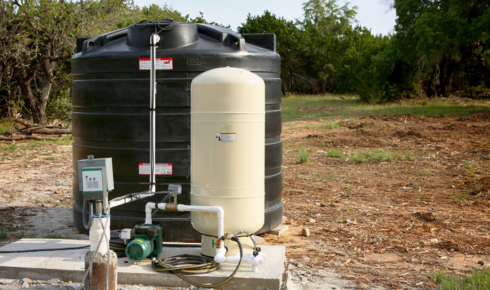
That’s where something like a pressure tank for well setups comes into play. It acts like a buffer, holding water under pressure so your pump doesn’t have to kick in every single time you turn on a tap. Without it, your system would feel erratic, almost impatient—starting and stopping constantly.
And over time, that kind of strain doesn’t just affect performance. It wears things down.
The Balance Between Power and Consistency
A lot of people assume the pump is the main player in a water system. And yes, it’s important. But the pump alone can’t provide that steady, reliable flow we all expect.
Think of it like this: the pump generates movement, but the pressure tank for water pump system smooths it out. It absorbs fluctuations, maintains balance, and ensures that when you open a faucet, the water doesn’t come out in unpredictable bursts.
It’s not flashy. You won’t see it working. But you’ll definitely feel the difference when it’s not doing its job properly.
Why Pressure Isn’t Just About Comfort
At first glance, water pressure seems like a comfort issue. Better pressure means better showers, quicker rinsing, less waiting around. But it goes deeper than that.
Consistent pressure protects your plumbing. It reduces wear on your pump. It even helps appliances like washing machines and dishwashers function more efficiently.
Without that stability, systems tend to overcompensate. Pumps cycle too often. Pipes experience unnecessary stress. Small issues start to build up, quietly, until they’re no longer small.
And that’s when repairs get expensive.
The Everyday Role of a Pressure Tank
A pressure tank might not be something you think about often, but it’s working every time you turn on a tap. It stores water at a set pressure level, ready to be released instantly when needed.
That’s why your water doesn’t hesitate when you open the faucet. There’s no delay, no awkward pause. Just a smooth, consistent flow.
It also gives your pump a break. Instead of starting up for every minor use, the pump runs less frequently, extending its lifespan. It’s one of those small efficiencies that makes a big difference over time.
Signs Something Isn’t Quite Right
Most homeowners don’t think about their water system until something feels off. And even then, it’s easy to overlook the signs.
Maybe the pressure fluctuates more than usual.
Maybe the pump turns on too often.
Maybe the water flow feels weaker, even though nothing obvious has changed.
These aren’t always major problems—but they’re signals. Little hints that the system might need attention.
Ignoring them doesn’t make them go away. It just gives them time to grow.
Keeping Things Running Smoothly
The good news? Maintaining a water system isn’t as complicated as it sounds.
Regular checks, occasional adjustments, and a basic understanding of how things work can go a long way. You don’t need to become an expert—you just need to stay aware.
Sometimes it’s as simple as checking the air pressure in the tank. Other times, it might involve inspecting components for wear or calling in a professional for a quick evaluation.
The key is consistency. Small efforts, done regularly, tend to prevent bigger issues later.
A System You Can Rely On
There’s something satisfying about a home that just works. You turn on the tap, and water flows exactly as it should. No surprises, no interruptions.
It’s easy to take that reliability for granted. But behind it is a system designed to balance pressure, manage flow, and adapt to daily use without drawing attention to itself.
And maybe that’s the point.
Final Thoughts
Water pressure isn’t something we think about when everything’s going right. It fades into the background, doing its job quietly. But once you understand the role of the components behind it, you start to see things differently.
You realize that comfort, efficiency, and reliability all depend on that balance.
And sometimes, the most important parts of a system are the ones you never notice—until they stop working.