There’s a certain kind of peace that comes from not having to think about your water.
You turn on the kitchen tap, fill a glass, start the washing machine, take a shower — and everything just feels normal. No strange smell. No cloudy appearance. No chalky residue left behind on dishes. Most people don’t realize how much bad water quietly affects everyday life until they finally experience better water at home.
And honestly, that realization sneaks up on people.
It usually starts with small frustrations. Dry skin after showers. Stubborn white spots on faucets. Funny-tasting coffee. Laundry that somehow never feels fully fresh. Individually, those things don’t seem like a huge deal. Together, though, they slowly chip away at comfort.
That’s one reason more homeowners are paying attention to what’s flowing through their pipes and looking for smarter ways to improve it.
Water Problems Aren’t Always Obvious
One tricky thing about household water is that problems don’t always look dramatic. Sometimes the water appears perfectly clear but still contains minerals, chlorine, sediment, or contaminants that affect daily use.
Hard water is one of the most common examples. The minerals in hard water aren’t necessarily dangerous, but they can be incredibly annoying over time. Pipes accumulate buildup. Appliances lose efficiency. Soap doesn’t lather properly. Hair and skin can feel dry after every shower.
Then there are issues like chlorine taste, sulfur odors, iron staining, or fine sediment floating around after heavy rain. Homes using private wells often deal with entirely different water conditions than homes connected to municipal systems.
The point is, every house has its own story when it comes to water.
Why Whole-Home Filtration Is Becoming More Popular
Years ago, many homeowners focused only on drinking water filters. A small pitcher in the fridge or a faucet attachment seemed good enough. But people are beginning to realize water affects much more than what they drink.
It touches nearly every part of daily life.
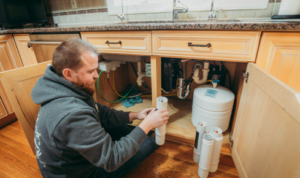
That’s why systems like a whole house water filter have become increasingly popular. Instead of filtering water at just one sink, these systems treat water as it enters the home. That means cleaner water for showers, laundry, dishwashing, cooking, and every faucet throughout the house.
For families dealing with hard water, sediment, or chemical-heavy municipal supplies, the difference can feel surprisingly noticeable. Towels feel softer. Dishes rinse cleaner. Even the house itself feels easier to maintain because there’s less residue and buildup accumulating everywhere.
And honestly, many homeowners say they wish they’d installed one sooner.
Cleaner Water Changes Everyday Routines
The effects of better water aren’t always dramatic. They’re subtle, daily improvements that quietly make life more comfortable.
You notice your shampoo rinsing properly again. Your coffee tastes less bitter. Ice cubes look clearer. The shower stops leaving your skin feeling tight and dry during winter.
Those little moments add up.
Proper water filtration also helps reduce stress around drinking water quality. A lot of people have become more conscious about contaminants in recent years, especially families with children. Whether the concern is chlorine, sediment, lead, or other impurities, homeowners increasingly want reassurance that their water is genuinely clean.
Not perfect. Just dependable.
And there’s something calming about knowing the water running through your home has been properly treated before it reaches your family.
There’s No Universal Solution for Every Home
One mistake people often make is assuming every filtration system works equally well everywhere. In reality, water conditions vary significantly depending on location, plumbing, and water source.
A suburban home using municipal water may mainly need chlorine reduction and sediment filtration. A rural property using a well might require iron removal, UV purification, or bacteria treatment. Homes with extremely hard water often benefit from softening systems alongside filtration.
That’s why professional testing matters before investing in equipment.
The best water treatment systems are usually the ones designed specifically for the problems your home actually has. Otherwise, homeowners sometimes overspend on complicated setups that solve issues they never had in the first place.
And let’s be honest — the water industry can get pretty confusing once you start researching online. Every product claims to be revolutionary.
Maintenance Is Part of the Deal
Of course, even great filtration systems need occasional care. Filters require replacement. Softeners need monitoring. Some systems require periodic servicing to stay efficient.
The good news is modern systems are generally easier to maintain than older models used to be. Many homeowners quickly settle into simple routines once everything is installed.
Ignoring maintenance, though, tends to undo the benefits over time. A neglected filter eventually becomes less effective, and mineral buildup doesn’t magically disappear on its own.
Still, compared to the cost of replacing damaged appliances or dealing with ongoing plumbing issues, regular upkeep is usually pretty manageable.
Better Water Is Really About Better Living
At the end of the day, cleaner water isn’t only about technology or plumbing. It’s about daily comfort.
It’s about filling a glass from the kitchen sink without second-guessing it. Taking a shower that actually feels refreshing. Protecting appliances from unnecessary wear. Giving your family one less thing to worry about quietly in the background.
And maybe that’s why good water matters more than people first realize.
It doesn’t shout for attention like a kitchen remodel or new flooring project. It simply improves everyday life in small, steady ways that become impossible to ignore once you’ve experienced them.
Sometimes the best upgrades are the ones working silently behind the scenes.