Most of us don’t give water much attention. It’s just there—reliable, familiar, part of the background noise of daily life. You turn on the tap, fill a glass, rinse vegetables, take a shower. It works, so you move on.
But every now and then, something feels slightly off. Maybe your tea tastes a little flat. Or your skin feels oddly dry after a shower. Nothing alarming, just enough to make you pause for a second longer than usual.
And that pause? It’s usually where the questions begin.
When “Normal” Water Doesn’t Feel Quite Right
The truth is, water isn’t as simple as it seems. By the time it reaches your home, it’s already been through a long journey—treatment plants, pipes, storage systems. Along the way, it can pick up minerals, sediments, even subtle odors that weren’t there at the source.
Most of the time, it’s still considered safe. But safe and satisfying aren’t always the same thing.
That’s why people start paying attention to how water behaves in their homes. The signs are often small—spots on glassware, soap that doesn’t quite lather, or that persistent buildup in your kettle. It’s not a crisis. But it’s enough to make you wonder if there’s a better way.
Looking Beyond a Single Tap
When you first think about improving your water, it’s natural to focus on the kitchen. After all, that’s where you drink it. But over time, you start realizing water plays a role everywhere—in your laundry, your showers, even your appliances.
That’s where the idea of treating water across your whole home starts to make sense. Instead of fixing one problem at a time, you’re addressing the source. It’s a quieter approach, less visible, but often more effective in the long run.
You might not notice it immediately. But over weeks, maybe months, the difference shows up in subtle ways—cleaner surfaces, softer fabrics, less maintenance. It’s the kind of improvement that grows on you.
The Role of Better Filtration
Not all water issues are the same, and not all solutions need to be complicated. Sometimes, it’s about removing the small things that make a big difference—chlorine taste, fine sediments, or organic impurities.
That’s where filtration systems come into play. They’re designed to refine water without overcomplicating the process. Depending on the setup, they can target specific concerns or provide a broader level of improvement.
What’s interesting is how quickly you adjust once filtration is in place. Water starts tasting cleaner. Cooking feels more predictable. Even something as simple as making coffee becomes a bit more enjoyable.
It’s not dramatic, but it’s noticeable.
A Closer Look at Drinking Water
Of course, when it comes to what you actually drink, expectations tend to be higher. You want clarity, consistency, and that clean taste you don’t have to think twice about.
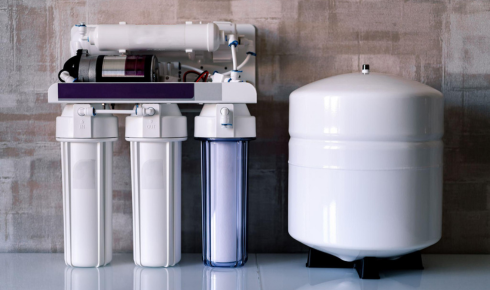
For many households, that’s where reverse osmosis systems come into the picture. They work by filtering water through a fine membrane, removing a wide range of dissolved impurities. The result is water that feels… lighter, almost.
There’s something reassuring about it. Not just in terms of quality, but in knowing exactly what you’re putting into your body. It’s a small shift, but one that brings a certain peace of mind.
Finding What Actually Works for You
Here’s where things can get a bit overwhelming. There are so many options out there—different systems, technologies, price points. It’s easy to feel like you need to get everything right on the first try.
But you don’t.
The best approach is usually the simplest one: understand your water, then choose a solution that fits your needs. Not the most expensive, not the most advanced—just the one that makes your daily life better.
Sometimes that means treating your entire home. Other times, it’s focusing on drinking water. There’s no single path, and that’s okay.
The Quiet Difference You Start to Notice
Improving your water isn’t about dramatic transformations. It’s about the small things adding up over time.
Your skin feels better after a shower. Your appliances run more efficiently. Your glass of water tastes clean without that lingering aftertaste. You stop noticing the little annoyances that used to be part of your routine.
And maybe that’s the real goal—not to make water perfect, but to make it feel right.
Because at the end of the day, water is something you interact with constantly, even when you’re not thinking about it. So when it improves, even slightly, it has a way of making everything else feel just a bit easier.